
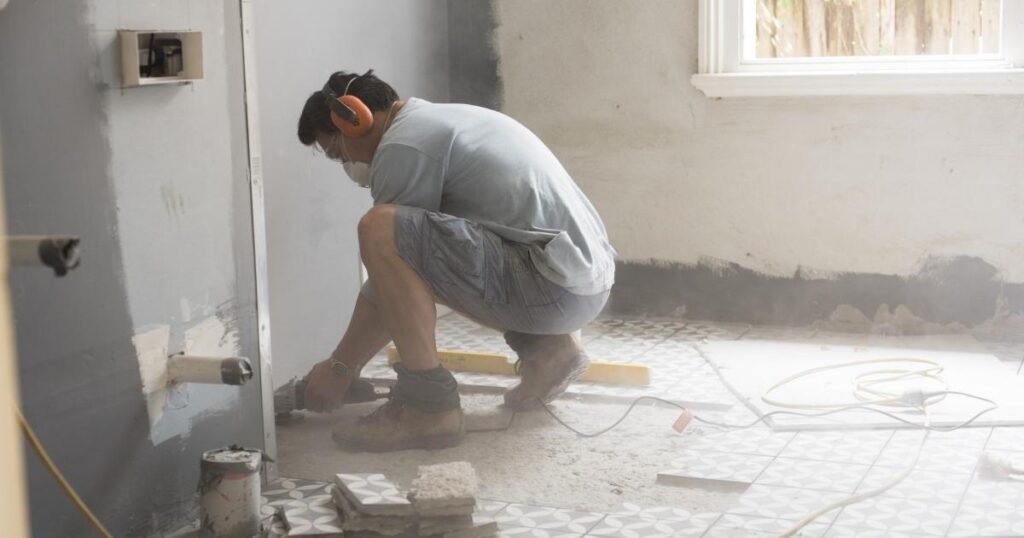
This is the lowest figure out of anywhere in the UK – were two-thirds (66%) plumped for a home that required repairs when starting out on the property ladder.
Across the UK, nine in 10 (93%) first-time buyers had completed at least one renovation or DIY project since moving in, Nationwide Building Society reported.
Of these, three-quarters (75%) carried out more work than they initially anticipated, with 25% of these people saying they had done much more than expected and 18% taking on major structural projects to get their property in order.
But on the upside, many first-time buyers choosing a “fixer-upper” may be able to achieve their dream home at a reduced cost.

Many were able to buy in their preferred location, with 41% saying this was the case, and put their stamp on it, with 30% saying they were able to shape the home to their tastes over time, the research found.
More than a fifth (22%) were able to future-proof their home for plans such as starting a family and nearly a quarter (23%) also said buying a home that needed renovation work helped them to increase the value of their property.
And 89% of first-time buyers described themselves as confident, excited or willing to take on DIY.
A fifth (20%) of first-time buyers said they chose a property that needed work doing to it because they enjoy doing DIY and renovation projects.
Six in 10 (60%) first-time buyers have spent more than £2,500 on DIY and home improvement projects since moving in, with 29% spending more than £5,000.
The most common projects include painting and decorating, kitchen and bathroom improvements, new flooring and general repairs. Nearly a fifth (18%) have taken on bigger structural projects, such as knocking through walls, building extensions or converting lofts.
Nationwide said its research indicates that a loft conversion or extension with a large double bedroom and bathroom can increase the value of a typical three-bedroom home by up to 24%. Any net financial gains or losses from home improvements will depend on individual circumstances.
Nearly two-thirds (62%) of first-time buyers factored DIY or renovation expenses into their savings when building their deposit. More than a fifth (21%) borrowed more on their mortgage so they could keep savings back to fund improvements after moving in.
Read More:
Carlo Pileggi, Nationwide’s head of mortgage products, said: “For many first-time buyers, opting for a cheaper property that needs work is a deliberate and savvy choice rather than a compromise.
“By taking on a home requiring renovation, they are not only able to get onto the property ladder in the location they want, but they can shape it to their own taste while adding to its value.
“Although there’s a real enthusiasm amongst first-time buyers to roll up their sleeves, our research suggests many have had to undertake more work than they initially intended. This is where planning and having the right support can make a real difference.”
Nationwide commissioned Censuswide to survey 2,000 first-time buyers across the UK in April.