
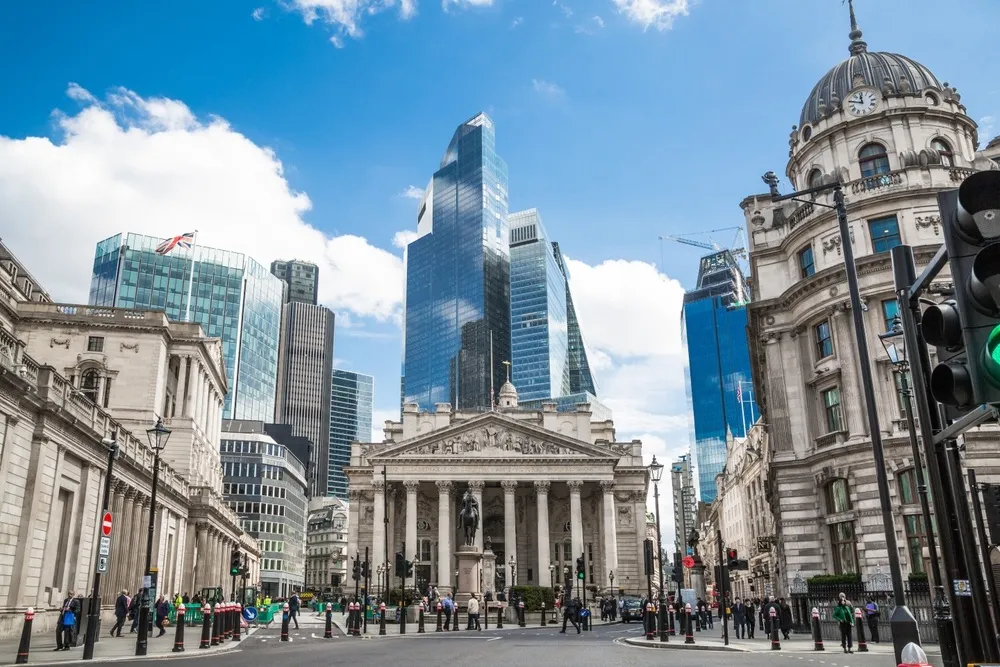
A decision to hold rates has come as no surprise with most expecting the Monetary Policy Committee (MPC) to take a cautious approach following the outbreak of war between US, Isreal and Iran.
The decision was unanimous – with all nine members voting to hold the Base Rate at its current level.
The Bank of England (BoE) said the war in the Middle East had disrupted transportation of energy, pushing up households’ utility and fuel bills which mean inflation will be higher than expected.
It said it was monitoring the situation closely to ensure inflation remains on track and as near to the 2% target as possible.
Alice Haine, personal finance analyst at Bestinvest by Evelyn Partners, said: “The Monetary Policy Committee’s unanimous decision to maintain the current stance sends a clear signal that policymakers need time to assess the inflationary impact of the unfolding Middle East crisis.
“The BoE now expects CPI inflation to edge closer to 3.5% in March, almost half a percentage point higher than was forecast in the Bank’s February meeting.
“The central bank faces a delicate balancing act: it must strive to prevent inflation from re-accelerating at a rapid pace, but keeping interest rates higher for longer – with markets now pricing in potential hikes before the year is out – risks further suppressing growth at a time when economic output is already sluggish.”
What does this mean for your mortgage?
Maintaining the base rate at 3.75% means those with mortgages which track the Bank’s base rate will see no change. But it will raise questions over what will happen to mortgage repayments over the longer term.
And those looking to take out a fixed rate to remortgage, buy a property or step onto the property ladder may wonder how this will affect prices for new deals.
Nicholas Mendes, mortgage technical manager at John Charcol, said in the short term, today’s decision will not trigger a major shift in mortgage pricing on its own, because much of the market adjustment has already happened.
He explained: “Fixed mortgage rates are driven more by swap markets and lender funding costs than by the base rate decision in isolation. Recent market moves suggest a more cautious path is now being priced in.
“That helps explain why some lenders have already started to reprice and why hopes of quick rate cuts have faded for now.”
He advised borrowers coming to the end of a fixed deal in the next three to six months, to secure a rate early and keep it under review. “That gives protection if pricing worsens, while still allowing time to switch to something better before completion if rates improve,” he added.
What will happen to interest rates next?
The outlook is unclear with most experts saying this uncertainty will remain until there is an end to the conflict.
Some are saying that interest rates might even rise on 30 April when the BoE is due to make its next decision.
Danni Hewson, head of financial analysis at AJ Bell, said: “Lenders have already started to make moves and mortgage rates have been ticking up.
“Markets are now pricing in an almost 50% chance that April’s meeting will see rates rise to 4% with the potential for two additional rate hikes by the end of the year.
“But no one has a crystal ball. No one knows how long the conflict will last or the amount of damage that could be inflicted on crucial energy infrastructure by the time it ends.”
Rising mortgage rates could also have an impact on the housing market, with Frances Haque, chief economist at Santander UK, predicting a short-term blip to property prices.
“After a steady start to the year in the housing market,” she said, “the changing economic backdrop has meant swap rates have climbed; in the short-term, we have seen a huge spike in activity in the market, with borrowers racing to lock in their mortgage ahead of anticipated rate rises.
“Looking ahead, while the delay to rate cuts will impact consumer confidence, and in some cases affordability, it’s important to note that this period of adjustment in the market will reduce competitive pressure and, in some cases, drive house prices down.”