
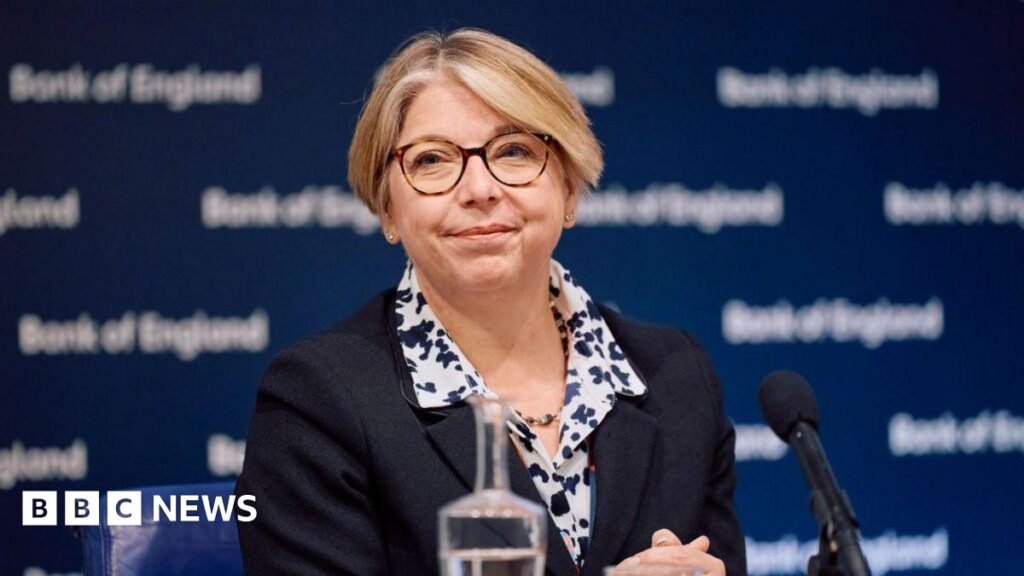
“The thing that really keeps me awake at night is the likelihood of a number of risks crystallising at the same time – a major macroeconomic shock, confidence in private credit goes, AI and other risky valuations readjust – what happens in that environment and are we prepared for it?” she said.
A sharp fall in stock markets can have a number of effects on the economy. If households own shares, a fall in their value can make people feel poorer which might make them cut back on spending.
It can also make it harder for businesses to raise funds, which means they might reduce or delay investment. Falling markets can also hit confidence, which might lead to companies cutting back on hiring.
The US stock market is home to the world’s biggest companies and has set a series of all-time highs recently despite warnings from the International Energy Agency that the global economy is facing the biggest energy shock in history.
Technology firms have poured hundreds of billions of dollars into AI infrastructure. The amount of cash going into the sector has been called “a frenzy” by Microsoft founder Bill Gates, and some have compared it to the dotcom bubble of the late 1990s when investors threw money at unproven start-ups that quickly went bust or had billions wiped off their value.
Nvidia boss Jensen Huang, the biggest supplier of chips to AI companies, is among those to dismiss these concerns.