
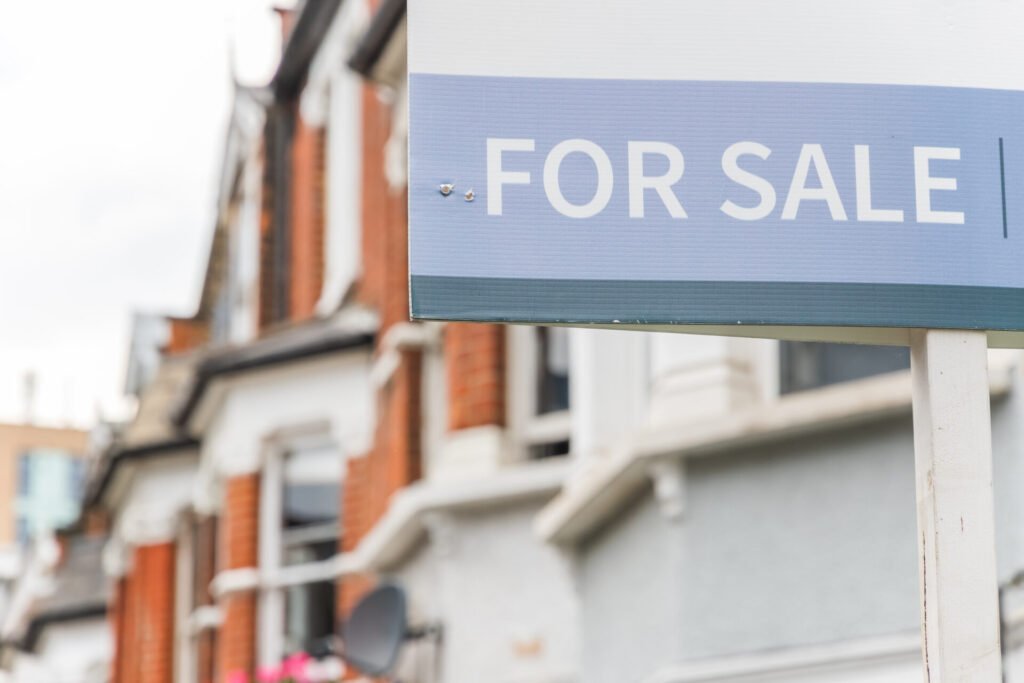
House Buyer Bureau’s latest Fall-Through Index found 67,489 UK property transactions collapsed in Q1 2026, adding £239.2m in costs to the housing market.
The number of property fall-throughs across the UK increased by 9.8% during Q1 2026, according to the latest Fall-Through Index from House Buyer Bureau.
The property buying firm said an estimated 67,489 residential transactions collapsed during the first quarter of the year, up from the previous quarter, although volumes remained 12.1% lower than in Q1 2025.
House Buyer Bureau analysed data from TwentyCi on the estimated volume of UK residential fall-throughs, alongside the average cost of a failed transaction. The cost estimate was calculated in line with inflation, estimated legal fee increases and adjusted using the latest house price data.
The analysis found the total estimated cost of fall-throughs to the UK housing market increased from £218.3m in Q4 2025 to £239.2m in Q1 2026, a rise of £20.9m in 3 months.
While the number of failed transactions increased, the estimated average cost incurred by sellers edged down slightly. House Buyer Bureau said the average cost of a fall-through stood at £3,544 in Q1 2026, down 0.2% on the previous quarter, but 2.1% higher than the same period last year.
The firm said the figures suggested sellers faced a slightly lower individual cost when a transaction collapsed, but the higher volume of fall-throughs had increased the overall financial burden on the housing market.
Chris Hodgkinson, managing director of House Buyer Bureau, said: “After a significant reduction in fall-through activity at the end of last year, it’s disappointing to see the number of collapsed transactions move back in the wrong direction during the opening months of 2026.
“Whilst the average financial hit associated with a failed sale has remained broadly stable, it’s the increase in the number of transactions falling apart that is the real concern. Every fall-through represents wasted time, uncertainty, and additional expense for those involved, particularly sellers who often find themselves having to restart the process from scratch.
“The challenge is that many of the factors driving fall-throughs remain difficult to control. Affordability pressures, changing buyer circumstances, and wider economic uncertainty can all derail a transaction at the last minute.
“As a result, certainty continues to be a key priority for many homeowners. For a growing number of sellers, reducing the risk of a sale collapsing is becoming just as important as achieving the highest possible price.”