
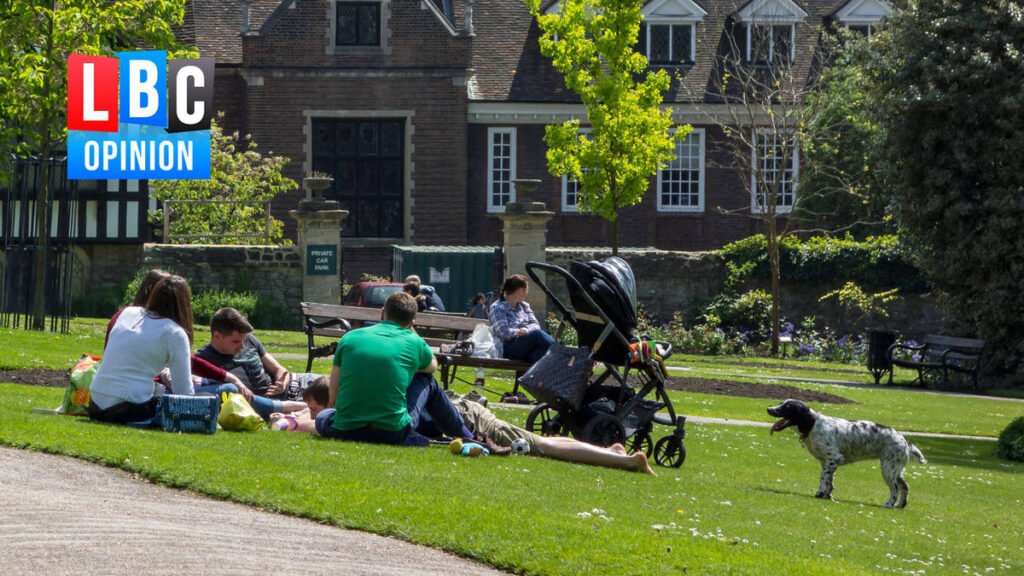
Easy access to outside space is one of the factors that people look for when considering whether to buy a house. We know that people want things like green spaces, the ability to walk to schools, GP surgeries, and other amenities, and nearby shops, because they are willing to pay more for properties in places that provide them.
Considered placemaking boosts the value of our homes. We know that this is only one of the many benefits it brings. A better built environment improves health and wellbeing outcomes and can unlock millions of pounds of economic growth.
And at RIBA we know that architects have a clear role to play in making this a reality.
Our new report, Making the case for city architects, demonstrates the value that city architects can bring through providing guidance and oversight across an entire city or area. A role that can help us shift from just designing buildings to designing places, and a role that can create substantial added value.
Using the Greater Manchester Combined Authority (GMCA) as an example to show what benefits a city architect could generate, we found that improvements in four key housing quality factors could generate £47.6 million in additional value over three years. Mixed-use design, proximity to commercial development, connectivity and walkability, and access to public green space all increase the quality of our places and the value of the buildings we live in.
The goal of increasing access to design expertise is not to inflate house prices or keep good housing the preserve of a few. It is to ensure that when we build, we create homes and neighbourhoods that deliver more in return: better daily lives for residents, stronger local economies and places that retain their value because they function well over time.
City architects are central to making that happen.
They are not a new concept, but there are myriad reasons why now is a timely opportunity to invest in them. At a moment of ambitious national housebuilding, regional and local authorities are under pressure to deliver more homes, more quickly, often with limited in-house design capacity. A city architect brings strategic design leadership into the heart of planning, regeneration and infrastructure decisions.
That leadership can improve both the quality and the quantity of housing. Our modelling found that if a city architect helped the GMCA unlock just 1% of its spare housebuilding capacity, it could deliver dozens of additional homes over three years, nearly £1 million in extra tax revenue, £10.6 million in additional economic output and £4.4 million to the local economy and construction sector.
Too often, the housing debate pits quality against quantity. We’re offering a solution to help deliver both.
____________________
Chris Williamson is President of the Royal Institute of British Architects.
LBC Opinion provides a platform for diverse opinions on current affairs and matters of public interest.
The views expressed are those of the authors and do not necessarily reflect the official LBC position.
To contact us email opinion@lbc.co.uk