
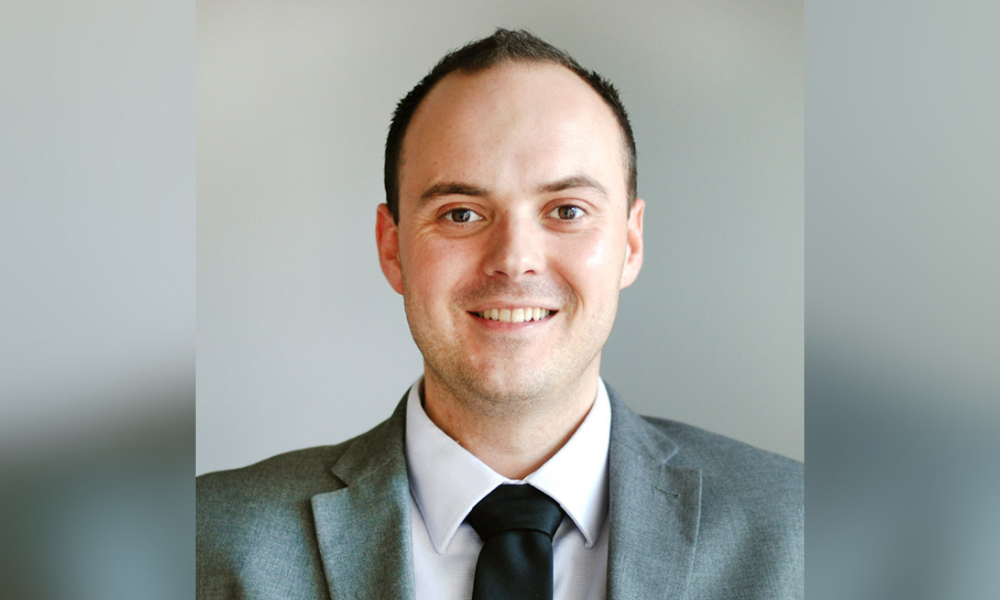
On the question of technology, Bennison acknowledged that artificial intelligence is already being used to automate administration and review documents, and said this trend would ultimately benefit advisers — by freeing them to focus on relationship-building, empathy and reassurance rather than repetitive tasks.
He was, however, direct about a professional failure he finds particularly frustrating. “One thing frustrates me more than almost anything else in our profession is not returning a client’s call, leaving an email unanswered or allowing someone to spend a weekend wondering what’s happening with one of the biggest financial commitments of their life,” he said. “Clients will usually forgive bad news. What they rarely forgive is silence.”
Bennison also challenged the instinct among advisers to default to technical information. Most clients, he said, want answers to three fundamental questions: whether they can buy a given property, whether they can afford it, and what happens next. The adviser’s role, in his view, is to answer those questions first and reduce complexity rather than compound it.
His broader conclusion was that when clients return for subsequent transactions or refer family and friends, it is not because they recall the rate that was secured on their behalf. It is because they remember how they were treated during one of the most consequential moments of their financial lives.
“Trust is built one conversation, one promise and one client experience at a time,” he concluded.