
The Consumer Prices Index was at 3% in February so the increase will come as a blow to both household finances and mortgages.
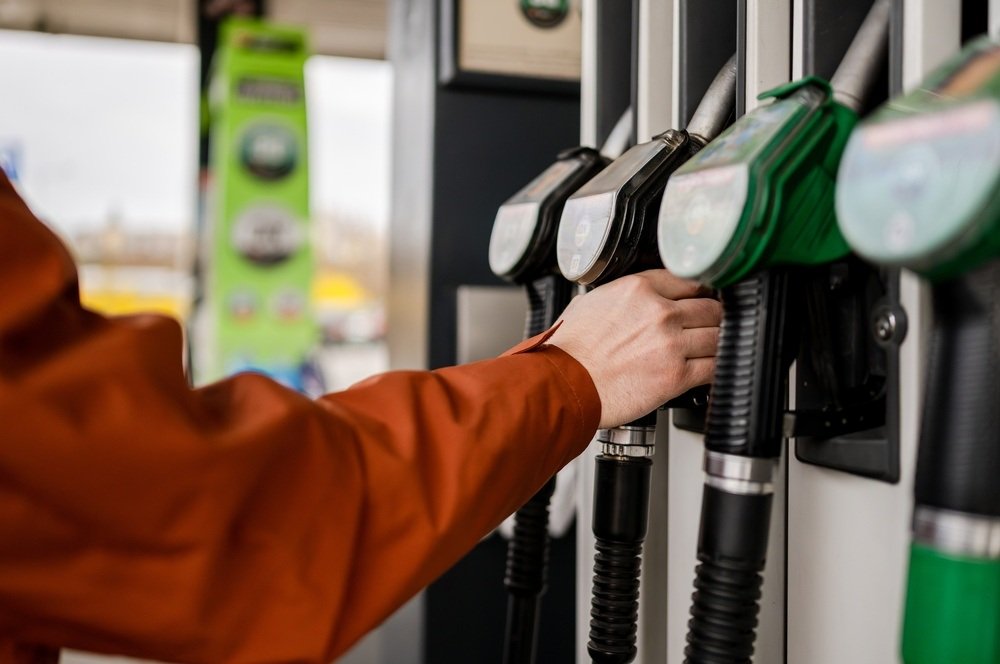
Rising prices of motor fuels were largely responsible for the upward shift in inflation. Motorists will already have noticed the cost of filling up their cars has been increasing as the closure of the Strait of Hormuz – the crucial waterway used for transporting oil and gas – has persisted.
During this time the price of oil has soared and remains volatile, although it has dipped slightly since the ceasefire in Iran has been extended.
But this has not only had an impact on energy and petrol prices – higher oil prices and continued tensions in the Middle East have caused swap rates, which lenders use to set their pricing, to rise and this has impacted mortgage rates.
In the last month, according to Moneyfactscompare.co.uk, the average two-year fixed rate mortgage has soared by 1% from 4.83% at the start of March to 5.83% today.
With the Bank of England keen to keep inflation as low as possible, the chances of another interest rate cut is now unlikely this year. And this will have an impact on both mortgages and savings.
Sarah Coles, head of personal finance at AJ Bell, said: “Inflation plays a role in both savings and mortgages, because it tends to raise rate expectations, which pushes up the gilt yields that are used to price both.
“However, right now, inflation is only part of a picture that has been dominated in recent days by politics. Gilt yields soared on Monday night this week, as a result of both domestic and international dramas.”
What will happen to your mortgage?
If you are on a fixed rate mortgage your rate will remain the same, but those looking to remortgage or buy a home may find rates are much higher than they were in February.
Coles explained if gilt yields remained elevated, it could be bad news for anyone on the hunt for a mortgage. Although lenders have been cutting rates slightly since the ceasefire was announced, things are still very uncertain for mortgage borrowers.
Coles added: “The mortgage market tends to react fairly quickly to changes like this, so anyone in the market for a remortgage may want to take this into account before the best rates disappear.”
How will higher inflation impact savers?
As reported by Moneyfacts this week, savings rates have been edging up this month and the prospect of higher interest rates supports this.
But, higher inflation also erodes the value of your savings pot, so if your savings rate is lower than inflation, it could be worth shopping around for a better deal.
Coles was optimistic, however, that savers are likely to see some strong rates and she thinks the best fixed rate accounts could nudge up again.
“This isn’t necessarily the peak, but it’s notoriously difficult to spot exactly the right moment to fix until it has passed,” she said. “So if you’re in the market for a fixed rate deal, it makes sense to shop around for the best rate on the market right now instead of trying to second-guess the latest twists and turns in every political drama.”
She added: “In this environment, it’s also worth considering investment. If you have some cash that you won’t need for five to 10 years or more, investing that money should be on the radar.
“Over the short term it will rise and fall in value with the markets, but over the long term it stands a better chance of hanging onto its buying power and beating inflation than savings.”