
A legal fight over a reverse mortgage in Hillsborough County, Florida has raised a penetrating question that could reach far beyond one family home. If a lender starts foreclosure but does not yet own a property, how much access should companies hired by that lender have?
That question is driving a lawsuit after homeowner Anna-Maria DeCicco said contractors hired through her mortgage company entered her late father’s home without permission while the foreclosure case remained active. The case, first investigated by Tampa Bay 28’s I-Team, has sparked concern about property preservation practices and the limits of lender authority.
Cameras Captured Every Step
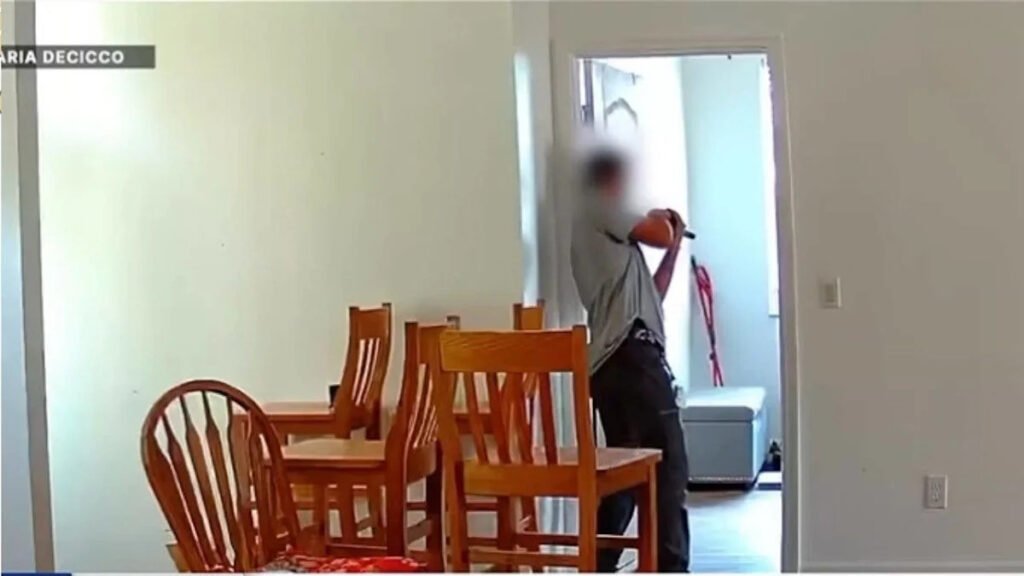
DeCicco said the dispute started after her father died in 2024. His reverse mortgage became due, but she chose to challenge the foreclosure in court instead of giving up the property. She said she had already found signs that someone had entered the home and that personal belongings had disappeared. On the advice of her attorney, she installed trail cameras inside and outside the house.
Those cameras captured footage in early March 2026 that has now become the focus of the lawsuit.
Florida Lawsuit Could Redefine How Lenders Treat Occupied Homes. Image Credit: Tampa Bay 28/YouTube.Tampa Bay 28/YouTube.
The video shows contractors discussing an unlocked sliding glass door before entering the house. One man carried a handgun while moving through rooms in a manner similar to a security sweep. A woman accompanied him, along with a small child.
The crew later said they were there under a work order to document property conditions for the mortgage company. They said carrying a firearm was for protection because such jobs could expose them to danger. One even claimed she had previously been stabbed while performing similar work.
A Case That Could Reach Beyond One Home
After receiving camera alerts, DeCicco called 911. A responding deputy reviewed paperwork presented by the contractors but did not order them to leave because the bank had authorized the assignment. DeCicco argues that authorization from a lender is not the same as legal permission to enter a house that remains under the ownership of the borrower or the borrower’s estate while foreclosure is still pending.
Her attorney has filed suit against both the reverse mortgage company and the property preservation contractor, alleging unauthorized entry, negligence, and disregard for property rights. No criminal charges have been filed against the workers, and the legal dispute remains unresolved.
The investigation also connects to earlier Tampa Bay reports involving property preservation contractors, including claims of missing valuables from another property. Together, the cases raise a larger public issue.
If contractors can enter homes during foreclosure disputes based on lender instructions alone, homeowners across the country may begin asking where the line between property management and property rights should be drawn. That debate may now move from one Florida courtroom to the national conversation.
This story was originally published by Men’s Journal on Jul 10, 2026, where it first appeared in the News section. Add Men’s Journal as a Preferred Source by clicking here.