
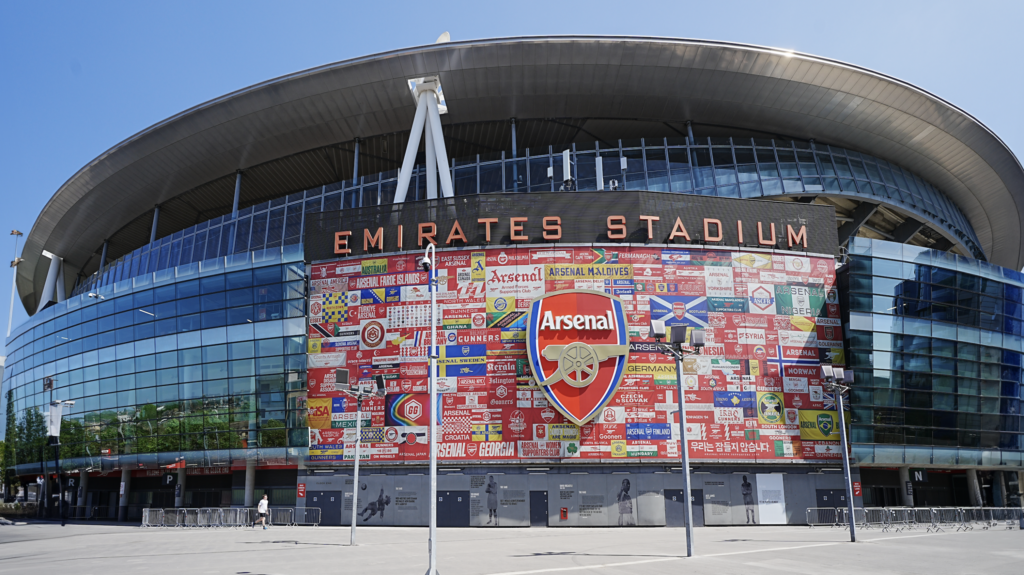
Arteta then built a stronger sense of purpose. Every player needed to understand their role and how it contributed to a bigger objective. Training focused on repeatable behaviours. Preparation, recovery, analysis and performance all linked back to helping the team improve.
The focus was not only on the moments that attract attention. It was on the small actions that win games.
The same applies in business. A strong mortgage business needs more than talented individuals. It needs a shared understanding of what it stands for, how it operates and why people are working towards the same goal (in our case, bringing momentum to lending and delivering commercial mortgages at bridging speed).
That starts with identity. This is not branding. It is not a marketing exercise. It is about defining the behaviours and values that shape everyday decisions.
The question every business should answer is simple: what makes us different when nobody is watching?
The answer should come from the people inside the organisation.
When employees help define what a business stands for, they take greater ownership of maintaining those standards.
Arteta also gives his players responsibility. He does not create a team that waits for instructions. He develops leaders throughout the squad. Senior players are expected to set standards. Younger players are encouraged to contribute. Responsibility is shared. The result is a team that can solve problems without relying on one person.
Mortgage businesses can apply the same principle. Give people a genuine role in improving the organisation. Create opportunities for ideas to be challenged and developed. Listen to feedback. Allow people to influence decisions that affect their working environment.
Ownership creates commitment.
Connection is another important part of Arteta’s approach. He understands high performance depends on relationships, not just individual ability. At Arsenal, he has worked hard to build trust between players, coaches and support staff. Communication is encouraged. People are expected to understand each other, not just work alongside each other.
Trust is built before pressure arrives. For mortgage businesses, this means creating opportunities for people from different parts of the organisation to interact.
Informal conversations, shared projects and team activities help remove barriers and build stronger working relationships. We’re setting up a coffee-roulette project to help bond people to colleagues in TAB with whom they wouldn’t otherwise spend a lot of time.
Development is another key part of Arteta’s approach.
He does not see players as finished products. He looks at where each individual can improve and creates the support, coaching and accountability needed to help them progress. Look at the development of players like Saka.
The lesson for businesses is straightforward.
As Richard Branson puts it, businesses should train people so well they can leave, while treating them well enough that they choose to stay. Indeed, cultures are more sustainable when people feel they are improving – when they don’t want to leave. A culture that helps people improve creates a stronger organisation.
Recognition also matters.
Arteta focuses on reinforcing the behaviours he wants repeated, not just celebrating results. He recognises preparation, discipline, communication and commitment because those qualities create long-term performance.
Building culture is not a one-off project.
It requires daily reinforcement.
Arteta did not rebuild Arsenal overnight. He established the foundations first. The results followed.
Mortgage businesses face the same challenge. Systems, processes and strategies matter, but they only perform when the people behind them share a common purpose.
Build the right culture first.
Performance follows.
Jack Bonner is chief risk office at TAB