
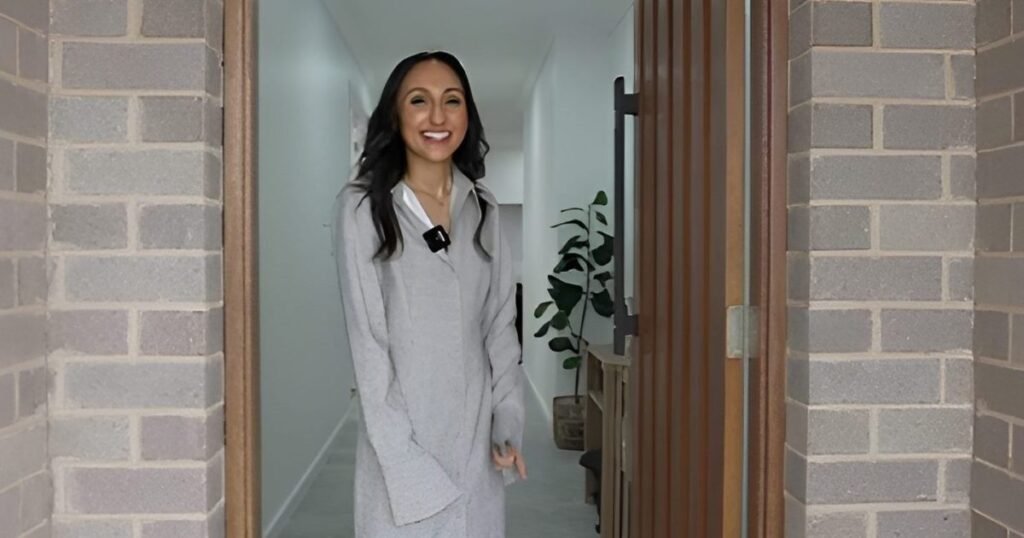

Riverina-based mortgage broker Katrina Childs says the recent budget has changed the property game. Photo: Supplied.
For generations, buying an investment property has been seen across the Riverina as the smart financial move.
Many families have built wealth by purchasing rental properties, holding onto them and letting time do the work. It remains a strategy that has served plenty of people well.
But the 2026 Federal Budget has changed some of the conditions that made that approach so attractive. For many young people looking to enter the market today, buying a home to live in may now make more financial sense than buying an investment property first.
This is not an argument against property investment. Regional markets like Griffith and Wagga have delivered skyrocketing growth over the past decade and property remains one of Australia’s most reliable wealth-building assets.
What has changed is the order in which many people should consider buying.
Much of the national conversation centres on “rentvesting” – renting where you want to live while buying an investment property somewhere more affordable. In many parts of the Riverina, the situation is different.
People often invest locally because they know the area. They understand the streets, the schools and the rental market. Many stay at home with their parents for longer, making it easier to save a deposit and property ownership has become part of the culture, passed down through generations.
That culture is not wrong. In fact, for a long time it was exactly the right strategy.
Budget changes the property game
However, the 2026 Federal Budget removed negative gearing on established residential properties for new purchases. Investors buying existing homes can no longer offset rental losses against their wage income at tax time.
The change affects more than annual tax returns.
Banks have traditionally factored negative gearing benefits into borrowing assessments. Without those tax advantages, many buyers will find they cannot borrow as much as they could previously.
Combined with higher interest rates and the cost of paying rent, purchasing an investment property while renting yourself has become significantly more difficult.
For those still living at home, the strategy may continue to stack up depending on individual circumstances. But for many renters hoping to buy an investment property first, the numbers have become much tighter.
There is another important difference between previous generations and today’s buyers.
When many parents and grandparents built their property portfolios, house prices were much lower relative to wages. They could buy, hold and gradually accumulate more properties without stretching themselves too far. Today’s buyers face a different reality.
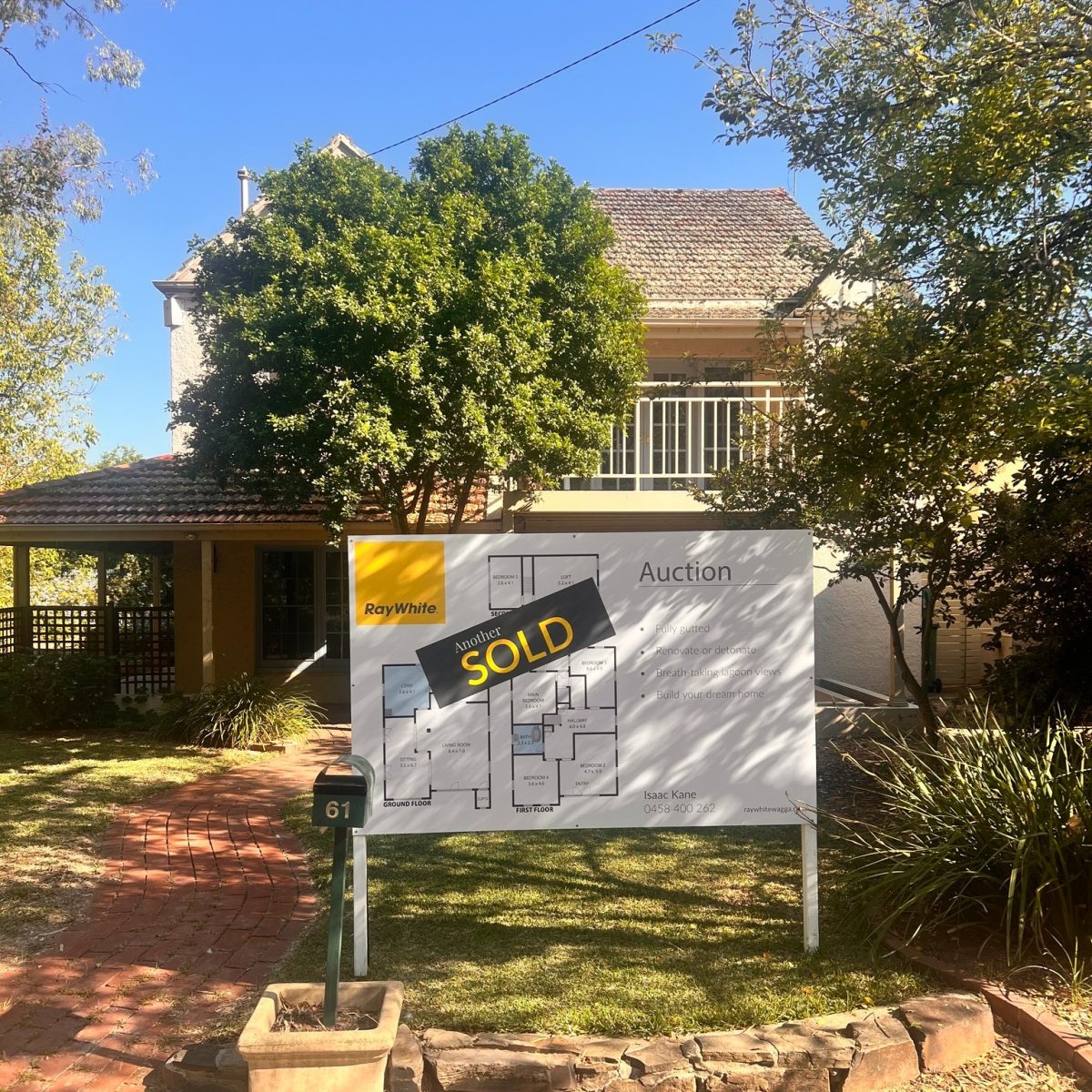
The average prices of a Wagga house is now well over $700,000. Photo: Ray White Wagga.
Rising house prices have buyers looking for their own home
Median house prices now sit at about $595,000 in Griffith and about $719,500 in Wagga Wagga, with homes in sought-after areas costing considerably more. Wages have not kept pace with those increases.
That means holding onto an investment property at all costs can sometimes delay buying the home you actually want to live in.
Many owners become emotionally attached to their first investment property because it represents an important milestone. Yet selling that property and using the equity as a deposit on a family home may ultimately provide greater long-term financial security.
An investment property should be a stepping stone, not something that prevents the next step.
Under Australia’s current tax system, the family home remains one of the most tax-effective assets available.
Any increase in its value is generally free from capital gains tax when sold and the 2026 Budget changes did not affect owner-occupied homes.
Eligible first home buyers can also access the Federal Government’s five per cent deposit scheme, allowing them to purchase with a smaller deposit while avoiding lenders’ mortgage insurance. Property price caps across regional NSW mean many homes in the Riverina still qualify.
Buying a home to live in means every dollar of future growth belongs to you, tax free. In markets that have delivered steady long-term growth, delaying that purchase can come at a significant cost.
No one-size-fits-all but incentives have shifted
None of this means abandoning the investment mindset that has helped many Riverina families build wealth.
It simply means recognising that the best strategy may now be different from the one that worked a generation ago.
For many first home buyers, securing their own home, building equity and reducing owner-occupied debt may now provide a stronger financial foundation than purchasing an investment property first.
Once that foundation is in place, investing can still come later.
Property remains a sound long-term investment across much of the Riverina. But after the 2026 Budget, the smartest move for many young buyers may be to put their own front door before someone else’s.