
Macau Investment and Development Ltd (MID), the Macau government-owned company behind a traditional Chinese medicine (TCM) industrial park in neighbouring Hengqin, saw its loss more than triple in 2025 as the prolonged downturn in mainland China’s property market hit the value of its investment properties.
In its 2025 annual report, published on Tuesday, MID reported a consolidated loss of MOP317.97 million (US$39.3 million), compared with MOP103.37 million in 2024.
The result came despite a 12.8 percent rise in revenue to MOP185.74 million, as the company, which co-develops and co-operates the Guangdong-Macau Traditional Chinese Medicine Science and Technology Industrial Park (GMTCM Park), booked a sizeable fair-value loss.
“On total expenses, amid the continued downturn in [mainland] China’s property market, the company provided for a decline in the fair value of part of its investment properties in the industrial park and recognised fair-value losses of nearly MOP256 million during the year,” the report said.
Excluding that impact, MID said the group recorded earnings before interest, taxes, depreciation and amortisation (EBITDA) of MOP16.08 million in 2025, an improvement from a year earlier that it said reflected “continued strengthening in its core business”.
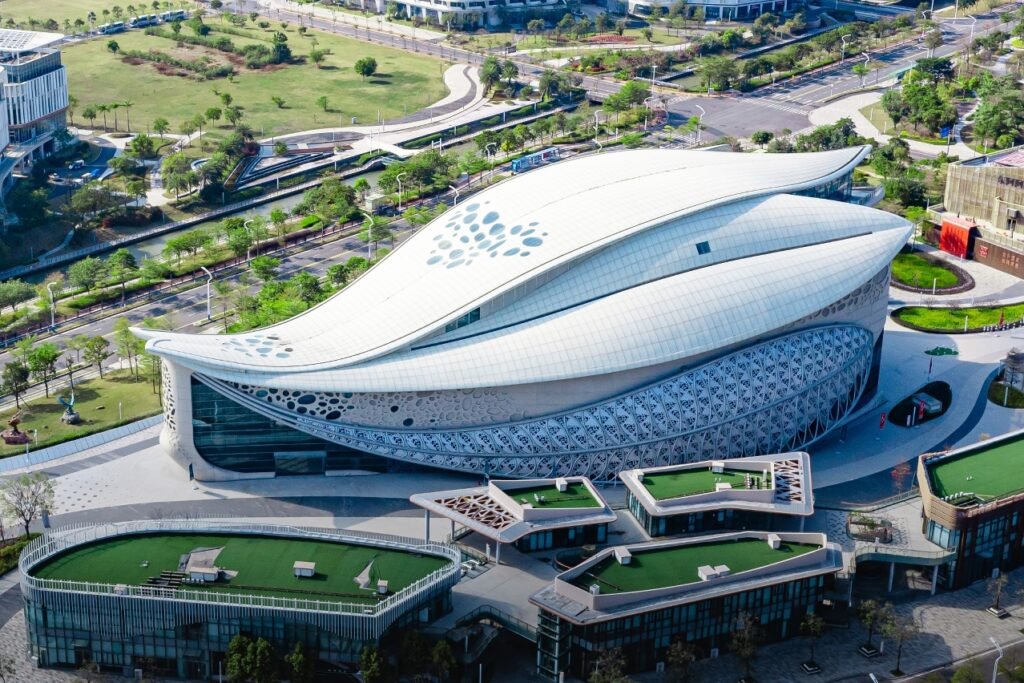
Established by the Macau government in 2011 to support economic diversification and regional cooperation, MID has worked with Chinese state-owned Zhuhai Da Heng Qin Investment Co Ltd to develop the 500,000-square-metre GMTCM Park in Hengqin.
The park offers facilities aimed at TCM, pharmaceuticals and cosmetics companies, including offices, research-and-development laboratories, pilot production sites and training centres. It also includes tourism-facing amenities such as a wellness resort, a themed street and a museum.
Rise in rental income
Rental income remained the largest revenue driver of MID in 2025, contributing MOP99.37 million, more than half of the total, and rising 22.6 percent from a year earlier.
Revenue from property management and pharmaceutical services increased 27.4 percent and 18.8 percent to MOP23.85 million and MOP16.18 million, respectively. Hotel revenue, however, slipped 6.8 percent to MOP40.53 million.
As of the end of May 2026, the park hosted 238 companies, including 92 from Macau, across segments ranging from traditional Chinese medicine to biopharmaceuticals.
MID said the park continued to “attract high-quality projects” in 2025, signing 40 key projects during the year and helping 22 begin operations. “The park has built an industry cluster spanning traditional Chinese medicine, biopharmaceuticals, medical devices and healthcare services,” it added.
MID also pointed to efforts to develop “TCM + tourism”. A TCM cultural experience centre within the park, which opened last year, logged more than 50,000 visits in 2025, including over 10,000 from Macau, it said.
Second phase development
Looking ahead, MID said it would deepen “Macau + Hengqin” integration in the TCM industry to develop a new model for cross-border industrial collaboration. The company also plans to advance land development for the park’s second phase and attract more sector-leading companies to strengthen the ecosystem.
MID and its 18 subsidiaries for the park have previously come under public scrutiny. In a 2021 report, Macau’s Commission of Audit criticised the group over governance and oversight, including mismanagement, weak investment decisions and shortcomings in safeguarding the effective use of public funds