
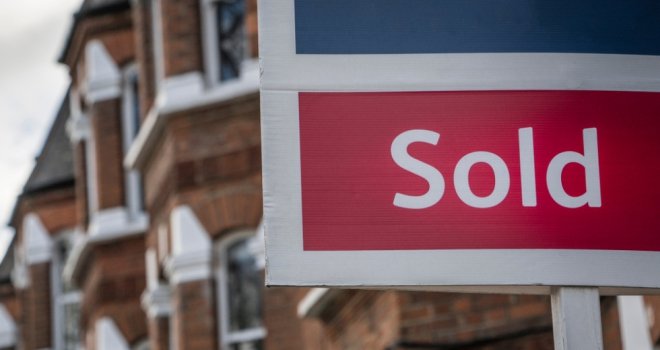
The number of UK residential property transactions totalled 101,070 in March, 16% higher than February but 39% lower than March 2025, the latest HMRC statistics show.
On a seasonally adjusted basis, transactions were 1% higher than February and 41% lower than March 2025.
Ryan McGrath, director of second charge mortgages at Pepper Money, commented: “The latest HMRC data released this morning shows a year-on-year decline in property transactions, though this primarily reflects the very strong levels of activity seen in March last year rather than any deterioration in current market conditions. At that point, transaction volumes were artificially lifted as buyers rushed to complete ahead of changes to stamp duty thresholds, creating a clear distortion in the year-on-year comparison. Once those effects are stripped out, the underlying trend remains broadly steady despite the broader backdrop of geopolitical uncertainty.”
Richard Pike, chief sales and marketing officer at Phoebus Software, said: “What we’re seeing with March’s completions data is a pipeline built before the Iran conflict. The impact of the resulting market volatility on the UK housing market won’t be fully apparent until late Spring, early Summer, when we’ll start to see how higher mortgage rates have affected demand for properties. Last week’s Rightmove HPI data shows buyer demand has fallen compared to April last year but remains resilient despite the higher borrowing costs. My view is buyers will be more cautious and selective in the current climate, but demand will remain steady.”
Nichola Bell, strategic partnership manager at Saffron for Intermediaries, commented: “Today’s uptick in transactions suggests the market is remaining resilient, despite ongoing economic uncertainty. Demand is there for committed buyers as deals push forward but the real pressure point is delivery. Transactions are now taking upwards of 17 weeks, and with close to a quarter still falling through, getting deals over the line remains a significant challenge, even as sellers adjust pricing to attract buyers.
“The interest rate decision later today should bring some much-needed clarity for both buyers and sellers navigating a stop-start market. If stability continues to take hold, we could expect more consistent activity to build through the rest of the year, with professional advice playing a key role in helping borrowers secure the right deal.”
Nick Leeming, chairman of Jackson-Stops, added: “This morning’s HMRC figures revealing a year-on-year decline in property transactions largely reflect the exceptional surge in activity seen in March last year, rather than any deterioration in today’s market conditions. With over 160,000 transactions recorded in March 2025, activity reached unusually elevated levels as buyers brought forward purchases ahead of the stamp duty threshold changes, creating a temporary distortion in the annual comparison.
“This is a pattern that has been seen before in policy-driven markets, most notably in 2021 when activity spiked sharply ahead of the end of the Covid-era stamp duty holiday before normalising once the incentive was removed. In June 2021, monthly transactions rose to in excess of 200,000, illustrating the scale of the short-term pull-forward effect. In both instances, it is policy timing rather than underlying demand that has driven the volatility in the data.
“Stripping out these effects, underlying market conditions today remain broadly steady. Transaction levels in recent months have shown little volatility, suggesting a consistent level of activity despite the headline movement in the annual figures.
“Against this backdrop, today’s data lands alongside the Bank of England’s interest rate decision this afternoon, where rates are widely expected to be held. That stability in monetary policy should help maintain the current steady tone in the housing market rather than prompt any meaningful shift in momentum.”