
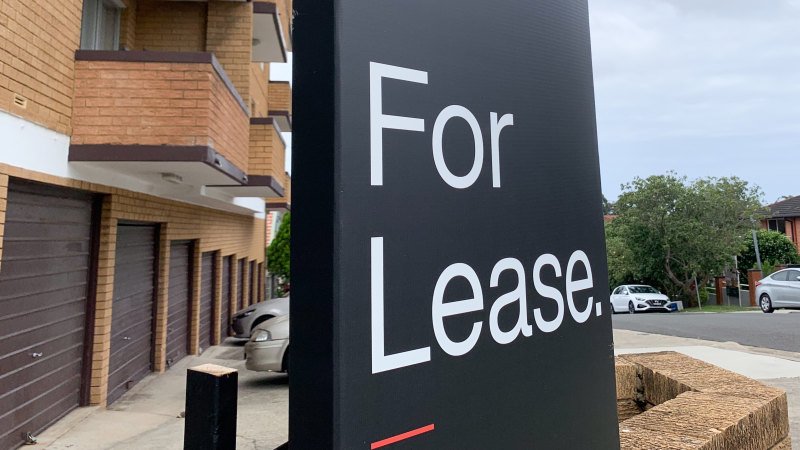

Western Australia’s rental market has been pushed to breaking point, according to a new report, with renters no longer able to absorb increasing costs despite a 0.3 per cent vacancy rate.
Domain’s latest Rental Report, released on Thursday, revealed rents were no longer rising everywhere and, instead, growth was stalling or becoming increasingly uneven – even in the tightest markets.
Gross rental yields for houses in Perth have declined by 10.2 per cent in the year to March, and 5.2 per cent over the quarter. For units, gross rental yields have dropped by 13.6 per cent over the year and 4.8 per cent over the quarter.
The market has entered a new phase, the report states – one where renters’ budgets, not just the lack of available homes, are determining outcomes and increasingly shaping major life decisions, particularly for younger Australians deciding when to move out of home and where they can afford to live.
Domain’s chief residential economist Dr Nicola Powell said the data showed households “simply can’t stretch any further”.
“In many cities, we’re seeing rents hold flat or rise unevenly despite worsening shortages. Affordability, not demand, is now the key constraint,” she said.
“Rental conditions still favour landlords due to the lack of supply, but the pace of growth is not being sustained at high levels.”
It may be good news for those looking to enter the rental market, but Limnios Property Group managing director James Limnios said possible changes to negative gearing and capital gains tax in the 2026-27 federal budget could make it harder to find a place to rent, driving demand even higher.
“If you are already struggling to find a rental property in WA, then this task will become infinitely harder after May this year if the flagged tax changes for property investors by the federal government become reality,” Limnios said.
“There is this belief out there that negative gearing benefits moguls and people with trust funds.
“But the bottom line is that these proposed changes will target small investors … who provide the vast majority of rental accommodation in WA.
“These mum-and-dad property investors are investing in property to help fund their retirement, with most owning just one or two rent properties.
“They operate on limited financial budgets and are therefore very sensitive to any changes in tax rules or regulations that they view as being negative.”
Limnios said a recent survey by the Real Estate Institute of WA showed 83 per cent of investors would be influenced to sell their property by changes to property taxes, and 74 per cent by changes to tenancy legislation.
There are only around 2000 properties on the market for rent in Perth, and Limnios said the proposed changes would see that number decline.
“It won’t be like a light switch, it will be a slow change over time,” he said.
“People will start to really think about whether property should be part of their investment portfolios.”
He claimed the changes would benefit first-home buyers and younger Australians looking to buy in the short term, but would not have continuing benefits for the next generation.
“When property investment in WA is rising at a time of an acute rental shortage, it is utter madness for the federal government to introduce tax changes that will slash this investment,” Limnios said.
“Governments must finally wake and realise that the small businessperson and the small property investor are shouldering the burden of these reckless decisions.
“WA currently has a rental crisis of historical proportions. If these flagged tax changes come into effect, this rental crisis will turn into an historic housing crisis catastrophe.”
Start the day with a summary of the day’s most important and interesting stories, analysis and insights. Sign up for our Morning Edition newsletter.
 Holly Thompson is a journalist with WAtoday, specialising in education and the environment.Connect via X or email.