
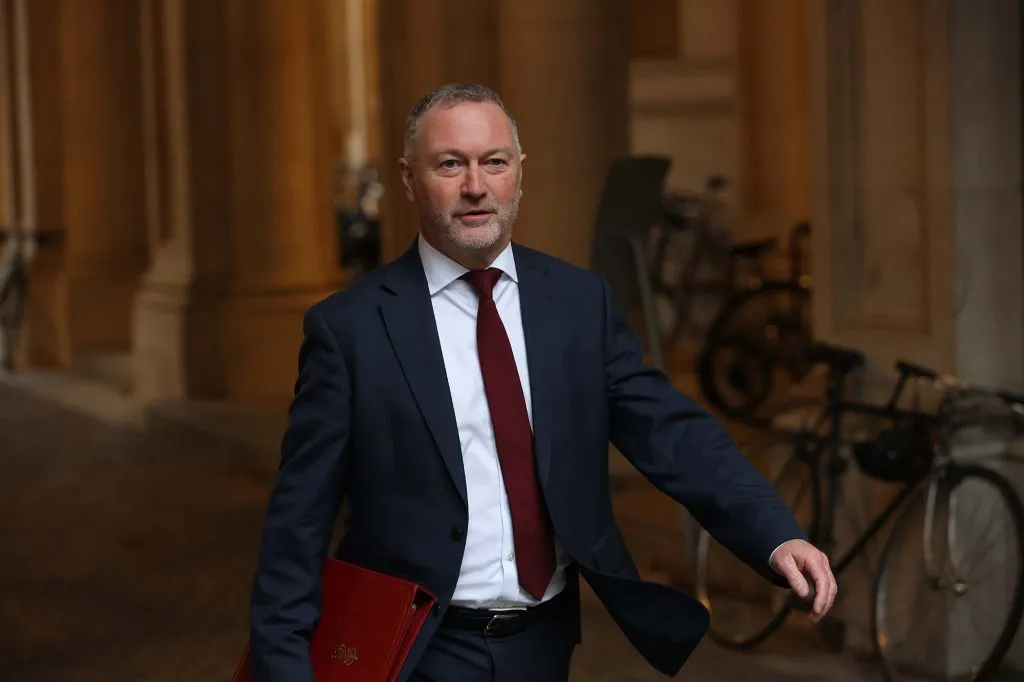
The news that secretary of state for housing Steve Reed has dismissed any prospect of rent controls across England will be welcomed by many directly involved in providing much-needed housing stock within the private rented sector.
Given that wider issues are continuing to influence the domestic economy, applying additional pressures on landlords would risk pushing the sector to the brink of collapse.
The UK government needs to focus all attention on encouraging investment across the private rented sector, to keep pace with current and future demand. It is vitally important that there is a joined-up approach and government departments are working together to deliver this.
Rent controls might sound like a quick fix for rising housing costs, but in practice, they often end up hurting the very people they’re meant to help: tenants.
Evidence from across the UK, particularly in Scotland, shows that strict limits on rent can discourage landlords from investing in rental properties. When that happens, the number of homes available to rent shrinks, making it harder for tenants to find suitable places to live and reducing choice.
When supply drops but demand stays high, it can actually push rents up in the long run.
To help tenants, the real priority should be a healthy, well-supplied rental market where there are enough homes to meet demand.
Encouraging investment in housing helps keep options open, supports better standards and is more likely to deliver stable, affordable and sustainable rents across the long term, rather than forcing a regime of strict rental price controls.
Timothy Douglas, head of policy and campaigns, Propertymark