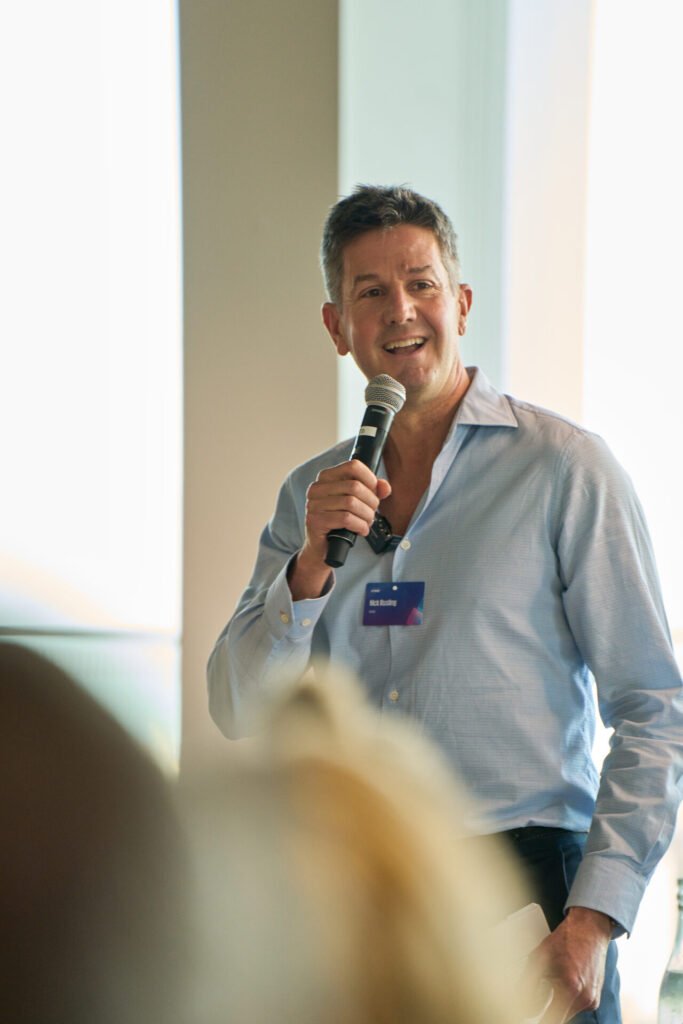
I’ve always had a soft spot for the property sector writes Nick Rusling of Greater Manchester Wellbeing Series. I started out in the post room at what was then DTC, later becoming DTZ. Delivering mail, changing light bulbs, doing whatever needed doing. It gave me a front row seat to an industry that never really stands still.
And, for a long time, a culture that went with it. Events like the Property Industry 7s were as much about socialising as they were about rugby. But things evolve, and I’ve seen that shift up close.
Years later, when I helped deliver the JLL Property Industry Triathlon at Dorney Lake, I saw the same appetite to come together but expressed in a different way. Today, that shift is even clearer.
Across the industry, the expectation to demonstrate social value is no longer a nice-to-have. Frameworks like the National TOMs, a social value calculator developed by the Social Value Portal, are changing how work is won and lost. Increasingly, it’s not enough to talk a good game; you must show the evidence, especially around wellbeing.
And that’s where many organisations hit the same challenge: the intent is there, the policies are there, but turning that into something visible, inclusive and measurable across a whole workforce is a different test entirely.
This is where the Greater Manchester Wellbeing Series comes in. Having previously owned the Manchester Marathon, I wanted to do something more inclusive for everyone.
On 21 May, in Heaton Park, workforce teams from across Greater Manchester will come together for a 5.5km run or 2km walk. Later in the year, on 22 October, there will be a three-minute guided meditation delivered virtually into workplaces across the city.
I’m delighted to say the property industry is leading from the front with teams from Bruntwood, ShedKM, CBRE, Caddick, Savills, 5Plus, Gardiner & Theobald, GIA and more already signed up.
This is social value in action.
Together, these moments are creating one of the most visible, collective mental wellbeing campaigns in the region. Participation can be measured in a way that is both simple and powerful. How many employees take part. How many teams are represented. How engagement is driven internally through toolkits, communications and leadership support. It provides clear, auditable evidence of a mental health awareness campaign in action, at scale.
One of the toughest parts of TOMs is proving a genuine, multi-dimensional approach to wellbeing over time not a one-off initiative, but something that reflects how people actually experience work. That’s where the GM Wellbeing Series becomes more than an event. The combination of physical activity in May and mindfulness in October creates two strong anchors for a broader, year-round wellbeing programme.
There is also a quieter, but equally important, impact. Most organisations already have mental-health support in place. The challenge isn’t always provision, it’s uptake.
So here is a visible, positive environment that makes it easier for people to start conversations about mental health, and more likely they’ll use the support already available to them.
This is a collective moment for the city. It brings together industries, boroughs and teams in a way that reflects how Greater Manchester works. That’s why Andy Burnham, Bev Craig and others are behind it.
Ultimately, this isn’t about ticking a box. It’s about recognising that the strength of our economy is inseparable from the wellbeing of the people who power it.
To find out more about taking part, visit: www.gmwellbeingseries.com.
- Nick Rusling is chief executive of the Greater Manchester Wellbeing Series