
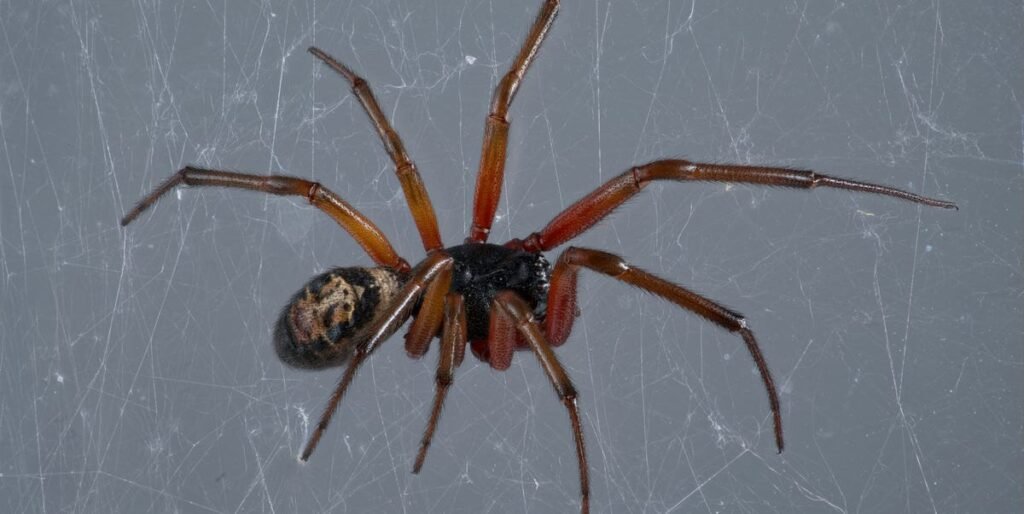
You may have heard by now that in recent weeks sightings of false widow spiders have been steadily rising across the country. Even the gardens of Buckingham Palace have reported spotting this eight-legged foe. ‘So, why is this interesting?’ Oh, because they’re only the most venomous spider in the UK.
Recent NHS figures show that there were more than 100 hospital admissions in 2025 linked to spider bites, significantly up from 47 in 2015. So with hospitalisations having doubled, many experts are saying this is thanks to a recent ‘explosion’ in false widow spider breeding.
These pesky pests are everywhere, and they don’t seem to be slowing down. While their bites aren’t often lethal, they can be pretty painful and in some cases lead to severe symptoms. So I’ve done some due diligence, speaking to experts to find out the cause of this spider spike and how to make sure they steer clear of our homes.
Why are false widow spider sightings spiking?
To understand why false widow spiders are on the rise in the UK, I spoke to Dr Michel Dugon, a lecturer at Galway University and specialist in venomous invertebrates.
Noble false widow spiders were first spotted in the UK in 1879, likely arriving via fruit shipments from Madeira. For around a century, they remained mostly in southern port cities. ‘However, for reasons we do not fully understand yet, their population exploded throughout the UK since the early 2000s and they’re now a global invasive species with populations across the UK and Ireland,’ says Dr Dugon.
In more recent research, Dr Dugon has found the species is now the second most common spider in urban habitats in Ireland, and likely the UK. ‘They’re definitely becoming widespread and more abundant,’ he says. ‘Since they have a particular liking for urban and suburban habitats, we encounter them more often compared to many other (native) species.’
So what’s behind the boom? ‘In many ways, the presence of the noble false widow is a byproduct of globalisation,’ explains Dr Dugon. ‘We don’t know yet if climate change has played any major role in the spread of the species, but it’s certain that higher mean temperatures are opening new opportunities for the establishment of the species in northern areas.’

While numbers are increasing, the risk to most people remains low. Dr Dugon compares a bite to a wasp or bee sting. Though in some cases a condition called Steatodism can occur, causing symptoms such as pain, tremors and dizziness. ‘For those victims, medical assistance is necessary.’ He also notes that some of these spiders carry harmful bacteria on their fangs, which can lead to serious secondary infections and required hospitalisation.
The key takeaway: bites are still rare, so there’s no need to panic, but the population is definitely booming, and therefore bites will steadily become more common. ‘Noble false widows aren’t aggressive animals,’ says Dr Dugon. ‘They’ll defend themselves if they’re in danger, but they won’t come out of their way to try and bite a human being.’ So while it’s fair enough to want them out of our homes, just know, they’re not after you.
How to keep noble false widow spiders out
Know what you’re looking for
What’s the best way to avoid getting bitten? To know where to find them. ‘False widow spiders in particular are well adapted to living around buildings and are most commonly found in sheltered locations such as sheds, garages and around window frames,’ according to Paul Blackhurst, head of the technical academy at Rentokil Pest Control.

‘They build irregular webs and are more likely to stay hidden, only emerging when disturbed or when hunting. Like other spiders, they’re not aggressive by nature and will typically only bite if handled or provoked – so being bitten is still a relatively rare occurrence,’ says Paul. Visually, look out for small-to-medium spiders, typically brown or black with a shiny, bulbous abdomen (aka bottom), often featuring cream-colored, ‘skull-shaped’ markings – if that doesn’t scream evil, I don’t know what does.
Remove habitats
Look to your garden when it comes to preventing false widows in your home, says Paul. ‘Gardens that offer shelter, such as log piles, compost heaps, leaf litter or dense planting can be particularly attractive to spiders.’ Remove or limit these hiding spots in order to limit your attractiveness as the hot new spider getaway.
Limit entryways
One of the best ways to stop pests of all kinds from entering the home is to make sure you seal up any possible entrances. Spiders sneak in through tiny gaps around windows, doors and pipes. A quick check with some sealant or weather stripping can make a big difference.

Paul adds, ‘Spiders may also hide underneath tables and chairs that have been stored over winter. They can also enter homes through small gaps or be brought inside on items like potted plants and firewood.’ He points out that once indoors, ‘They tend to settle in warm, dark, undisturbed areas such as behind furniture, along skirting boards and inside cupboards or loft spaces.’ Keep an eye out in these areas, too, and check what you’re bringing inside the house.
Reduce food supply
Just in case you needed yet another reason to keep your home clean and clutter-free, keeping your home hygienic can actually deter spiders, including false widows.
‘To help manage spider activity, it’s important to reduce access to shelter, food and entry points. Keeping outdoor storage and clutter away from the property, sealing gaps around doors, windows and pipework, and maintaining good hygiene to limit insect prey can all help,’ says Paul. Make sure to empty bins regularly as well as consistently vacuuming and wiping down surfaces. This will limit the amount of small bugs like flies in the home, therefore reducing the amount of their predators (spiders) in the home as well.
Turn the lights off

A hot tip from Paul that surprised me, was how much of an effect lighting can have when it comes to preventing false widows entering the home. ‘Reducing outdoor lighting near entry points can also minimise the number of insects attracted to the area, making properties less appealing to spiders overall,’ suggests Paul.
Do not eradicate all spiders
I’m afraid arachnophobes won’t love this piece of advice, but according to Dr Dugon, the answer to keeping these spiders out might be to let some spiders in.
‘It’s useless to spray insecticide to try and kill all spiders around your home,’ suggests Dr Dugon. ‘Native spiders are our best defence against the establishment of the noble false widow, as they compete for the same space and the same resources (ie bugs to eat!).’ So while you may wish for a spider-free home, the odd arthropod is necessary to keep the venomous ones at bay. ‘Removing all spiders indiscriminately from your home will only help false widows to settle in once the space is devoid of any competition.’