
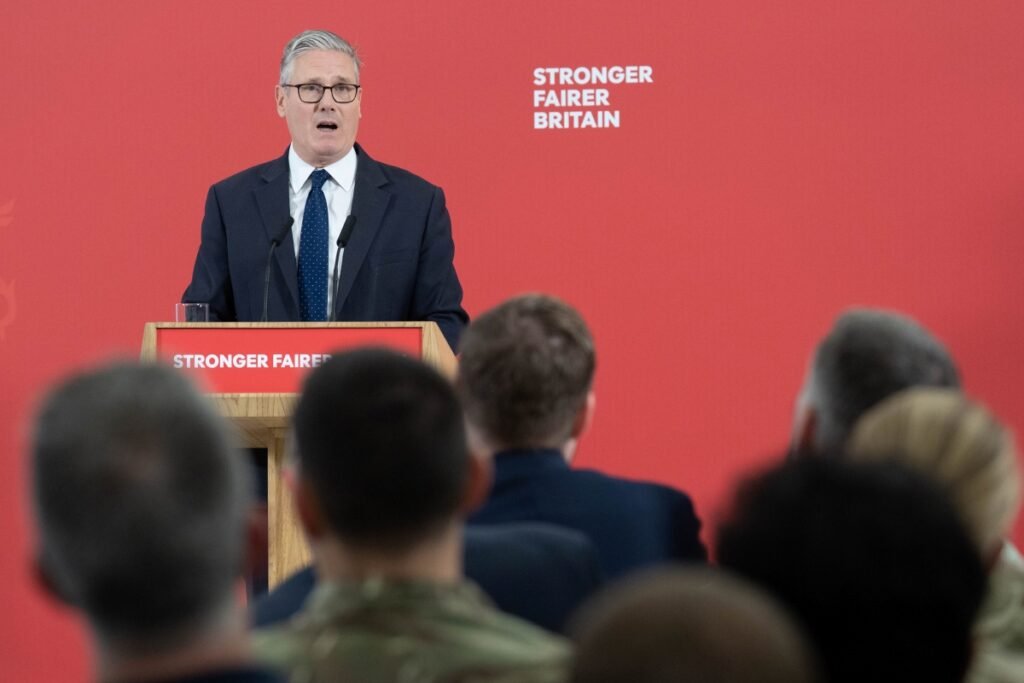
After a year’s delay, outgoing UK Prime Minister Keir Starmer presented the country’s Defence Investment Plan (DIP) on Tuesday, announcing a £15 billion (€17.4 billion) increase on last year’s spending plan to reach a total investment of almost £300 billion (€348 billion) by the end of the decade.
The DIP has been delayed multiple times, resulting in the resignation of Starmer’s defence minister, John Healey, and Armed Forces Minister Al Carns in mid-June.
With the new plan, the UK’s defence spending will increase to €92.8 billion, or 2.7% of GDP, by 2029.
“At last year’s NATO summit, I committed to spend 5% of GDP on our wider security – covering things like energy security and critical infrastructure, as well as defence,” Starmer said. “The Defence Investment Plan, published today, takes us to 4.2% under that commitment.”
Ben Barry, UK defence expert at the British IISS think tank, said the plan finally “provides a lot of predictability for the armed forces and for the UK and international defence industry”.
In addition, the balance between traditional capabilities and a shift to emerging technologies is a positive sign, according to Barry.
UK unveils long-delayed defence plan with €5.8bn drone investment
The UK will unveil its long-delayed Defence Investment Plan (DIP) on Tuesday, setting out new…
3 minutes
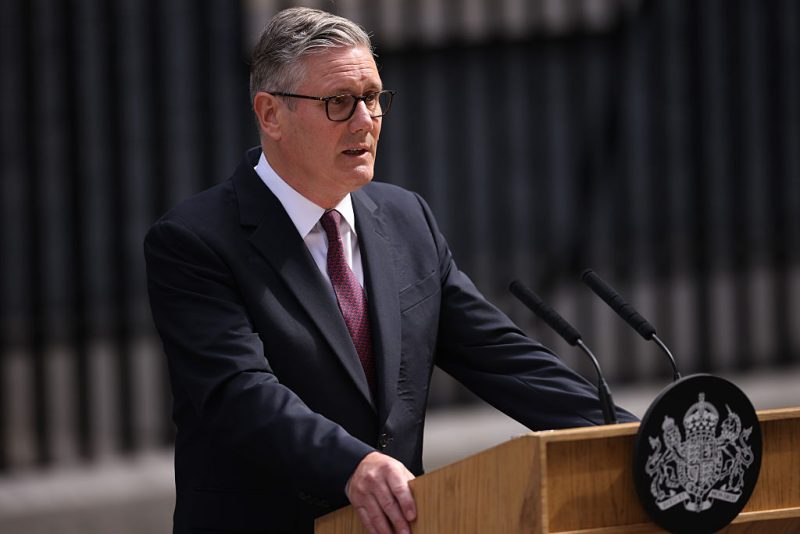
One of the UK’s largest spending commitments will be over €73 billion dedicated to the country’s nuclear deterrent, including new submarines and a new warhead, over the next four years. Nonetheless, the UK still remains dependent on US launch technology for its nuclear warheads.
The next-generation fighter jet project GCAP, developed with Italy and Japan, will receive €9.3 billion. The commitment is likely to please Tokyo, which was reportedly becoming concerned about the British funding delay.
The continued funding of GCAP is one of the key elements of the new plan, according to RUSI defence expert Linus Terhorst, but the overall figure falls short of what is needed for the UK’s defence needs.
“It is worth pointing out that the Strategic Defence Review recommendations were costed at around €32.5 billion, so the €17.4 billion presented in the Defence Investment Plan is still significantly below that.”
“Another important capability area that the UK needs to invest in would be air defence, integrated missile defence,” Terhorst pointed out. “That’s a gap in European capability across the continent, and that’s also the case in the UK.”
This defence gap is addressed with almost €917 million, which is meant to “revolutionise command and control and buy new radars and sensors,” according to the plan, including the creation of a new Integrated Air, Space and Missile Defence Operations Centre.
A recently discussed issue has been the depleted British ammunition stockpiles – especially after the UK depleted ammunition supplies in defence of regional allies during the recent Iran war.
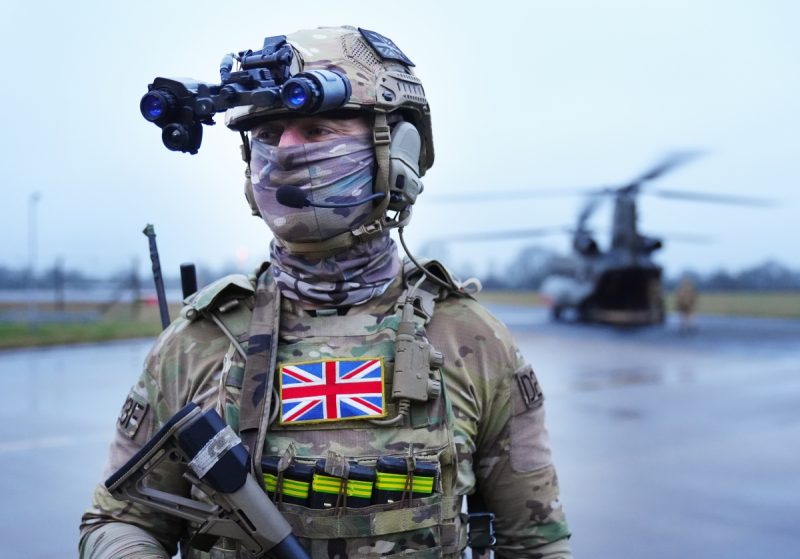
Starmer and his team envision €12.7 billion for a mix of long-range strike weapons, low-cost cruise missiles and other one-way missiles.
UK invests over €500 million in special forces
The British defence ministry announced it will spend almost €580 million on drones, speed boats…
2 minutes
NATO chief Mark Rutte welcomed the plan, describing it as “a good step towards reaching the 3.5% of GDP on defence agreed in The Hague last year”.
Pledges by allies towards that goal are expected to be top of the agenda at next week’s NATO leaders’ summit.
But the leader of the British opposition Conservative Party, Kemi Badenoch, said the DIP “is barely half what the armed forces say is needed, and well below what our allies are spending.”
(at, aw)