
Property investors are adjusting their strategies in 2026 as the UK market responds to economic pressures, regulatory changes, and evolving tenant preferences, according to industry analysis.
Average property prices have recorded modest increases compared with the previous year, while rental yields have improved in many regions, signalling continued demand in the rental sector. However, high interest rates and inflationary pressures continue to affect purchasing power, requiring careful financial planning for new acquisitions.
Sustainability becomes core investment factor
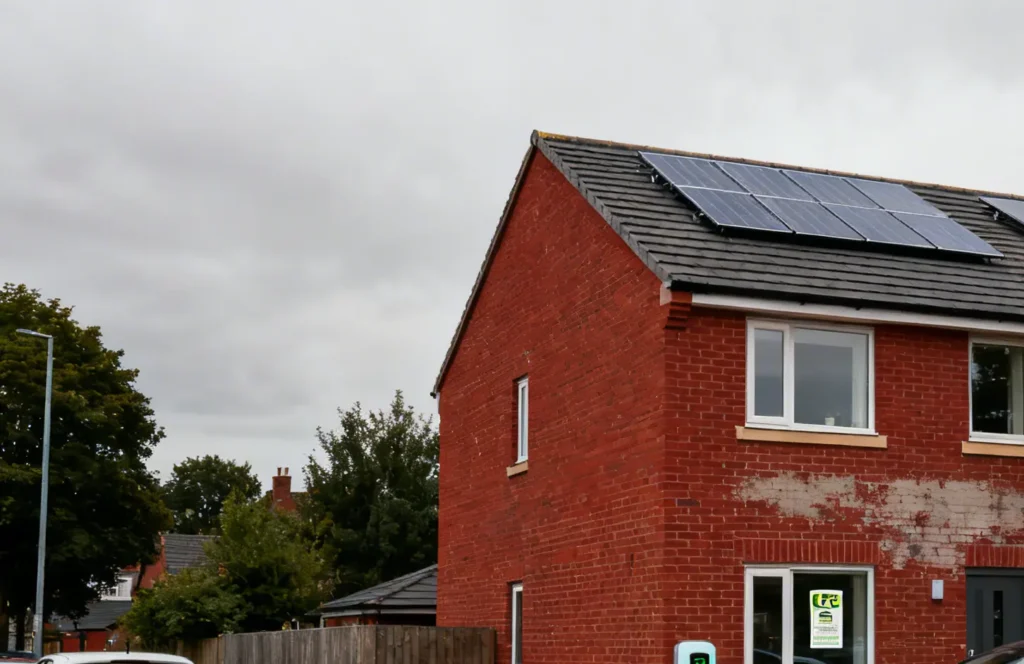
Energy efficiency has moved from a secondary consideration to a primary investment criterion as regulatory requirements tighten. Under the UK Government’s Warm Homes Plan, privately rented properties in England and Wales will be required to meet a minimum Energy Performance Certificate (EPC) rating of at least C by October 2030, with compliance obligations extended to all tenancies unless a valid exemption applies.
The regulatory change means landlords will need to invest in measures such as insulation, efficient heating systems, or smart energy technologies to meet the updated Minimum Energy Efficiency Standards (MEES). Properties already rated C or above under current EPC rules may be recognised as compliant until their certificate expires.
Energy-efficient homes are commanding higher rental demand due to reduced long-term living costs for tenants. Retrofitting properties with improved insulation, smart heating systems, and renewable energy features is increasingly viewed as essential for protecting future asset value.
Technology adoption accelerates
Digital tools are becoming central to property investment operations. Virtual property tours are transforming the viewing process, allowing prospective tenants or buyers to explore homes remotely and widening the potential market for each property.
Artificial intelligence and data analytics are being deployed to analyse market trends, forecast rental demand, and manage portfolios more efficiently. Property management technology now enables automated rent collection, maintenance requests, and tenant communication, reducing administrative workload for investors managing multiple properties.
Suburban markets gain traction
The shift in lifestyle preferences that accelerated during the pandemic continues to influence investment patterns. Suburban and semi-rural areas are attracting individuals and families seeking larger homes, access to green spaces, and quieter communities.
Improvements in remote and hybrid working mean proximity to city centres is no longer as essential as previously. Suburban markets with strong transport links, good schools, and expanding local economies are seeing continued growth, creating opportunities beyond traditional urban hotspots. This trend mirrors recent expansion patterns in the rental sector as operators look beyond major cities.
Rental market evolution
Remote and hybrid working have reshaped tenant expectations, with renters increasingly looking for properties that can accommodate a home office or flexible work area. Investors prioritising properties with additional space or adaptable layouts are better positioned to attract long-term tenants.
Access to reliable broadband, practical storage space, and well-designed living environments are becoming significant factors when tenants choose between properties. The rental market dynamics are also being influenced by changing regulatory frameworks, requiring investors to stay informed about compliance requirements.
Challenges persist
High interest rates remain a significant consideration for investors relying on borrowing, with rising costs reducing profit margins and requiring careful financial modelling before making new acquisitions. While some analysts suggest potential easing of mortgage rates, uncertainty continues to affect investment decisions.
Regulatory changes, from evolving rental regulations to new energy efficiency standards, add complexity to property ownership. Staying informed and prepared is essential for navigating the shifting regulatory environment.
The property investment landscape in 2026 requires adaptability and forward planning, with sustainability credentials, technological integration, and changing tenant preferences shaping investment decisions across the sector.