
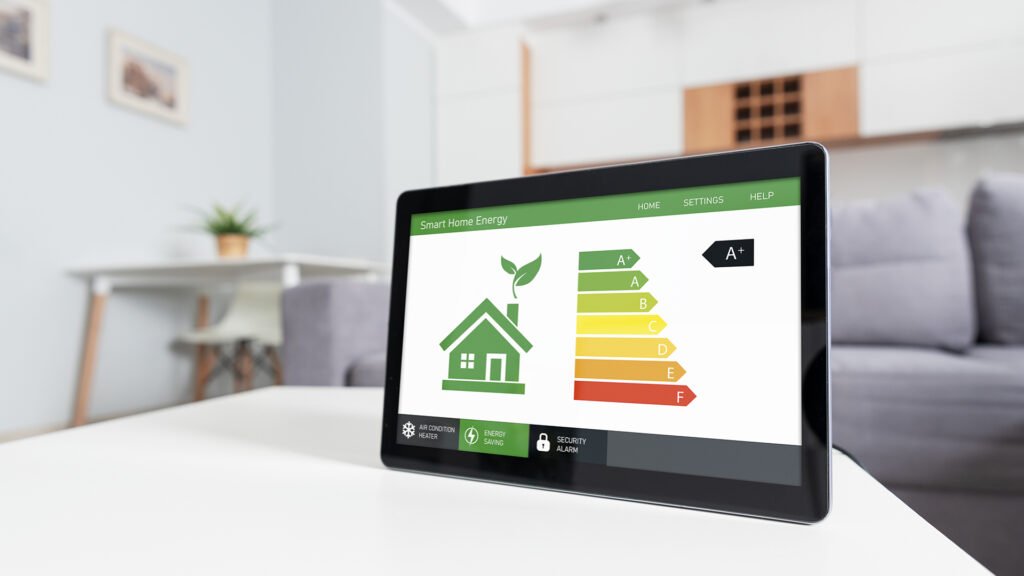
Nearly nine in 10 property investors are increasing spending on sustainability measures across their portfolios, as rising energy costs, climate risks and tightening regulations push environmental performance higher up the real estate agenda.
According to Handelsbanken’s fifth annual Property Investor Report, 89% of the 200 UK property investors, landlords and property management professionals surveyed said they plan to increase investment in sustainability features, reflecting a growing view that energy efficiency and resilience are now central to long-term asset management.
The findings suggest sustainability is increasingly being viewed through a commercial lens rather than purely an environmental one, with investors seeking to future-proof assets against regulatory changes, extreme weather events and shifting tenant expectations.
The report found stronger energy efficiency ratings are now the most sought-after sustainability feature among occupiers, with 66% of respondents identifying EPC ratings of C or above as a key tenant requirement.
Demand is also growing for practical sustainability measures that can reduce running costs and improve convenience. Electric vehicle charging infrastructure was cited by 50% of respondents, while 47% highlighted smart meters and smart home technology and 43% pointed to solar panels.
The research suggests tenants are increasingly focusing on visible, functional sustainability improvements rather than broader environmental credentials alone, creating a clearer link between green investment and occupier demand.
Handelsbanken said the trend reflects the continued professionalisation of the rental market, with landlords increasingly treating sustainability investment as part of wider asset management and value protection strategies.
Paying a premium
The survey also found that 68% of landlords believe renters are willing to pay a premium for more sustainable homes. While still a significant majority, this represents a notable decline from the 92% recorded in the previous edition of the report.
The bank suggested the fall may indicate that sustainability features are becoming an expected part of modern rental accommodation rather than a differentiating feature capable of commanding substantial rental premiums.
Richard Winder, head of sustainability at Handelsbanken, said climate change had become a mainstream commercial consideration for property investors.
“Further energy price shocks, weather extremes and the tumbling cost of clean technologies have only made the case more compelling and urgent,” he said.
He added that while regulatory requirements would continue tightening on the path to net zero, occupier demand was already accelerating investment decisions.
“Tenants are placing greater value on buildings that are efficient, comfortable and resilient. Investors are modelling how their assets will perform over the next decade or more, with the future cost and availability of insurance added into the mix.
“This is all driving rental and valuation outperformance for more sustainable buildings, and we expect this trend to intensify.”
Maintaining competitiveness
Winder said sustainability spending was increasingly about maintaining competitiveness rather than simply complying with regulations.
“For many landlords, sustainability investment is no longer just about meeting standards. It is about ensuring properties remain competitive, attractive and fit for the future.”
The report warns that delaying retrofit activity could prove a false economy as regulatory and market pressures continue to build.
According to Handelsbanken, landlords are increasingly recognising that energy efficiency improvements can often be delivered more cost-effectively when incorporated into planned maintenance and asset management programmes rather than through reactive retrofit projects driven by future compliance requirements.
The findings come as the industry continues to debate future minimum energy efficiency standards for rental properties and broader pathways to decarbonising the UK’s built environment.
Regional data from the report suggests demand for greener homes is widespread rather than concentrated in London and the South East.
Investors with assets in Wales were most likely to report tenants willing to pay more for sustainable homes, with 79% citing increased demand. Scotland followed closely at 78%, while 76% of respondents with properties in the West Midlands and 75% with assets in London reported similar trends.
Demand for stronger EPC ratings was particularly pronounced in the North East, where 80% of respondents highlighted energy performance as an important factor for tenants. The South West followed at 79%, while London recorded 77%.
The research points to what Handelsbanken describes as a nationwide shift in how renters assess housing quality, with energy efficiency increasingly becoming a standard expectation across regional markets rather than a premium feature concentrated in higher-value locations.
For investors, the findings reinforce a broader industry trend in which sustainability is becoming more closely tied to asset performance, tenant retention and long-term portfolio resilience.
As the sector continues to grapple with rising operating costs, climate-related risks and evolving regulatory requirements, sustainability investment is increasingly being viewed not as an optional enhancement but as a core component of real estate strategy.
Image © Adobe Stock
Send feedback to Akanksha Soni