
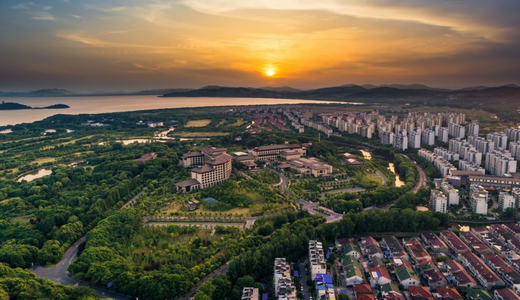
East Malaysia, home to Sabah and Sarawak, is gaining investor interest as major projects reach key milestones in 2026. For those exploring East Malaysia property investment, this creates fresh opportunities beyond the more saturated West Malaysian market.
Development in Sabah and Sarawak lagged behind that of Peninsular Malaysia due to challenges such as connectivity, infrastructure, and limited investment. However, the landscape is changing.
With enhanced government allocations, renewed focus on industrial corridors, and improved transport and utilities infrastructure, East Malaysia now offers potentially compelling value propositions.
In this article, we explore what makes 2026 a possible turning point, analyse the key drivers, highlight emerging hotspots, assess property-type potential, weigh risks, and propose strategies for investors keen on East Malaysia real estate.
What Are the Key Drivers Supporting East Malaysia Property Investment in 2026?
Understanding the forces shaping East Malaysia’s real estate landscape is essential for investors evaluating opportunities in 2026. Several structural developments, economic shifts, and large-scale projects are reshaping Sabah and Sarawak, creating conditions that could support stronger demand, improved connectivity, and new investment corridors.
-
Improved Regional Connectivity: Major progress on the Pan Borneo Highway enhances access between cities, reducing travel times and opening new residential and commercial corridors.
-
Higher Government Development Allocations: Sabah and Sarawak continue to receive among the largest federal development budgets, supporting roads, utilities, water infrastructure, and rural accessibility.
-
Expansion of Industrial Corridors: Growth within SCORE and SDC boosts demand for industrial facilities, worker housing, logistics support, and nearby residential projects.
-
Renewable Energy and Green Economy Push: Sarawak’s focus on hydropower and clean energy attracts energy-intensive industries, encouraging long-term economic stability and property demand.
-
Tourism and Lifestyle Appeal: Coastal destinations in Sabah and cultural hubs in Sarawak continue to attract domestic and international visitors, supporting hospitality, mixed-use, and short-stay property demand.
-
Affordability Compared With West Malaysia: Lower entry prices make Sabah and Sarawak attractive to first-time investors, upgraders, and out-of-state buyers seeking value.
-
Urbanisation and Population Shifts: Growing employment opportunities in industrial zones and administrative centres drive higher demand for housing and rental properties.
-
Emerging Suburban Townships: Improved infrastructure encourages residential expansion beyond city centres, supporting demand for landed homes and mid-range developments.
This infusion of infrastructure investment is likely to improve livability, reduce travel times, and bolster demand for residential, commercial, and industrial properties, all of which are critical to a property-investment upswing.
How Are Government Development Corridors and Industrial Growth Shaping East Malaysia in 2026?

East Malaysia development corridors and growth factors.
Government development corridors are reshaping East Malaysia’s economic landscape, driving industrial expansion and new growth centres across Sabah and Sarawak.
These initiatives directly influence property demand, making them essential for investors to understand in 2026.
-
SCORE (Sarawak Corridor of Renewable Energy) is driving industrial expansion, particularly in areas such as Samalaju and Bintulu. With reliable hydropower, the region is attracting manufacturing, petrochemical, and green-technology companies, which increases long-term demand for worker housing and rental properties.
-
Industrial growth creates steady housing and commercial demand. As more factories and energy-intensive businesses set up operations, nearby areas need accommodation, logistics support, and services. This provides stable property opportunities, especially for rental-focused investors.
-
SDC (Sabah Development Corridor) supports economic diversification, particularly through tourism, trade, and infrastructure development. Road upgrades, utilities, and commercial improvements can stimulate interest in mixed-use projects, hospitality properties, and new residential neighbourhoods.
-
Both corridors help form new economic hubs, drawing investment into previously less-developed areas. As these regions grow, surrounding real estate markets benefit from improved accessibility, rising employment, and stronger long-term demand.
Together, these development corridors are laying the foundation for sustained economic activity, creating long-term real estate opportunities across key areas in Sabah and Sarawak.
How Are Economic Growth, Population Shifts, and Sectoral Expansion Shaping East Malaysia in 2026?

East Malaysia economic and population growth factors
As more projects and industries grow in Sabah and Sarawak, more people are moving into key cities for work and better living options. These shifts are helping shape East Malaysia’s property market in 2026.
-
Expansion of key industries: Growth in energy, petrochemicals, manufacturing, and logistics under SCORE and SDC is creating more jobs and attracting supporting businesses to Sabah and Sarawak.
-
Increased employment opportunities: Industrial parks and renewable-energy projects are attracting skilled workers, engineers, and professionals, driving higher demand for housing near major economic hubs.
-
Population movement into urban centres: Cities such as Kota Kinabalu, Kuching, Bintulu, and Miri are seeing population inflow as connectivity improves and new economic nodes emerge.
-
Growing appeal of suburban townships: Improved roads and utilities make suburban areas more attractive for families seeking larger homes, better space, and affordability.
-
Lifestyle-driven relocation: Lower living costs and less congestion in East Malaysia compared with Peninsular Malaysia are encouraging some Malaysians to relocate there for an improved quality of life.
-
Stable national economic outlook: Malaysia’s projected GDP growth of 4-4.5% in 2026 helps support buyer and investor confidence nationwide, including in East Malaysia.
-
Rising demand for both rental and owner-occupied homes: Employment growth and lifestyle shifts are driving demand for mid-range housing, worker accommodation, and new residential developments.
Together, these trends show how East Malaysia’s growing economy and shifting population are helping shape a more active and promising property market in 2026.
Which Emerging Hotspots Should Investors Watch in 2026?
Given the drivers above, certain cities and regions in East Malaysia are shaping up as key property investment hotspots.
-
Kota Kinabalu (Sabah): Lifestyle, Tourism, Mixed-Use Growth
As the state capital of Sabah, Kota Kinabalu remains a natural choice for property investment. With improved infrastructure and continued interest in tourism and lifestyle living, mixed-use developments combining residential, retail, and hospitality could appeal to both owner-occupiers and investors.
Moreover, proximity to future improved roads (via PBH), better utilities and connectivity may make suburban or peripheral areas more accessible and attractive, possibly encouraging growth beyond the inner city.
This could mean landed properties or mid-range housing in growing suburbs may provide value for money, especially for upgraders or families.
-
Kuching (Sarawak): Suburban Expansion and Eco-Conscious Developments
Kuching, as Sarawak’s capital and most populous city, stands to benefit from improved connectivity under PBH and upcoming infrastructure. New townships, eco-friendly developments, and green-oriented communities may increasingly appeal to young families, professionals, and even retirees seeking lower-cost living with access to urban amenities.
With industrial growth nearby, there may also be demand for worker housing, rental apartments or mid-range homes offering investors a balanced play between capital appreciation and rental yield potential.
-
Bintulu & Samalaju (Sarawak): Industrial-Driven Growth and Worker Housing Demand
The industrial zones under SCORE, especially around Bintulu and Samalaju, are perhaps among the most interesting for investors seeking yield from industrial-driven demand.
As factories, energy-intensive plants, and manufacturing operations scale up, demand for worker accommodation, rental housing, and support services tends to increase. This creates a stable base for rental-oriented investment, arguably less volatile than tourism-dependent areas.
Given the relative affordability of land and housing in these industrial zones (compared with major cities), early investors may benefit from long-term capital appreciation as demand picks up.
-
Secondary Cities & Emerging Towns: Miri, Sandakan, Tawau Niche Potential
Smaller cities and towns such as Miri (Sarawak), Sandakan and Tawau (Sabah), previously overlooked, may emerge as niche opportunity zones. As connectivity improves and regional development efforts continue, these towns may see gradual growth in demand for landed homes, rental housing, and small commercial properties.
Such areas may appeal particularly to investors seeking lower entry prices and willing to take a longer-term view (five to ten years), betting on steady growth and gradual uplift rather than rapid price surges.
What Property Types Offer the Most Potential in 2026?

East Malaysia high-potential property types 2026
Based on the market conditions and projected demand, several property-type categories stand out for investors eyeing East Malaysia in 2026:
-
Affordable and Mid-Range Residential Developments
Given the relative affordability compared with major West Malaysia cities, mid-range landed or apartment homes may offer value, particularly for families or long-term residents relocating for work or lifestyle. As infrastructure improves and connectivity rises, these properties may appreciate steadily over time.
-
Tourism-Driven Properties and Short-Stay Units
In tourism hubs or coastal cities (especially near Sabah’s coasts or Sarawak’s coastal towns), properties built for short-stay, holiday rentals, or resort-style living may have appeal.
As connectivity and tourism revive, demand for vacation homes or short-stay rentals could rise. However, investors should carefully assess seasonality, regulatory considerations, and maintenance costs.
-
Industrial, Logistics, and Worker Housing Real Estate
Around industrial hubs, especially in SCORE zones, there will likely be demand for worker housing, dormitories, logistics facilities, and even small-scale commercial properties. These provide a less glamorous but more utilitarian, demand-driven form of real estate investment with potentially stable rental returns.
-
Eco-Friendly and Sustainable Developments
Given the growing emphasis on renewable energy, environmental sustainability, and a green economy under SCORE and related policies, eco-friendly or ESG-compliant developments may attract buyers. Those who value long-term sustainability, lower utility costs, and proximity to green infrastructure.
This could increasingly matter in Sarawak and Sabah, as clean energy and sustainability become part of the growth narrative.
Understanding the Rental Market in Sabah and Sarawak in 2026
For investors focused on rental yield rather than capital appreciation, the rental market in East Malaysia in 2026 could offer interesting dynamics:
-
Worker-based rentals: As industrial and energy projects expand under SCORE, demand from workers, both local and migrant, for affordable housing or dormitory-style accommodation near industrial hubs will likely rise.
-
Long-term tenancy demand: With increased job creation, families relocating for work may seek stable homes, generating consistent long-term rental demand.
-
Short-stay rentals: Tourism revival, particularly in Sabah’s coastal areas or near natural attractions, may drive demand for short-term rentals (holiday stays, serviced apartments, holiday homes). However, occupancy may be seasonal and subject to fluctuations.
-
Potential for steady yields: Given lower property prices than in West Malaysia, rental yields (relative to purchase price) may be competitive.
Investors should, however, factor in local economic cycles (industry fluctuations and commodity prices), infrastructure completion timelines, and the regulatory environment when evaluating rental strategies.
2026 Risks and Challenges for Investors to Consider
While the opportunities are real, there are also specific risks investors should be mindful of before jumping into East Malaysia property:
-
Infrastructure Delivery Risk: Many key projects, including some PBH packages, industrial key-in projects, and utility upgrades, remain under development. Delays or cost overruns could dampen short-term property uplift.
-
Market Maturity and Liquidity: Compared with West Malaysia, many areas in East Malaysia remain less mature; resale liquidity may be lower. Exiting may take longer if demand fails to materialise as predicted.
-
Dependence on Industrial / Energy Sector Performance: In zones tied to industrial growth (e.g., around SCORE), property demand may closely track the fortunes of global commodity prices or energy-intensive product demand. Downturns may affect rental demand.
-
Limited Data and Market Transparency: Unlike major urban centres, reliable data on sales transactions, rental yields, and vacancy rates may be harder to find, making due diligence more challenging.
-
Regulatory / Tenure / Legal Considerations: Investors must pay attention to land tenure, state-specific laws, and any restrictions on foreign or out-of-state buyers, primarily if investing from outside East Malaysia.
Despite these challenges, investors who approach East Malaysia with careful planning, realistic expectations, and strong due diligence can better navigate the uncertainties and position themselves for long-term opportunities.
Investment Strategies for 2026: How to Choose the Right Project
Given the landscape above, here are some guiding strategies for investors considering East Malaysia property in 2026:
-
Match asset type with investment horizon: For long-term play (5-10 years), consider affordable residential or industrial-zone properties. For short- to mid-term (2-5 years), mixed-use or tourism-linked properties may offer upside but with greater volatility.
-
Prioritise connectivity and infrastructure access: Areas near PBH, new or upgraded utilities, and transport hubs may benefit the earliest. These often deliver value uplift as infrastructure comes online.
-
Check industrial growth and demand drivers: For properties near SCORE or industrial parks, ensure there is sustainable economic activity, factories, companies, and labour demand to support rental/occupancy.
-
Balance rental yield vs. capital appreciation: Investors looking for steady income should target worker housing or rentals near industrial zones. Those seeking capital growth might look at developing suburbs or tourism-oriented areas in coastal cities.
-
Perform rigorous due diligence: Because data may be scarce, investors must verify land title, zoning, infrastructure timelines, and local regulations. Consider working with trusted local agents or consultants.
By aligning each investment decision with clear objectives, local market trends, and upcoming infrastructure improvements, investors can identify projects that balance potential growth with manageable risk in 2026.
Why East Malaysia Is Poised To Become Malaysia’s Next Growth Frontier Beyond 2026
East Malaysia, long overshadowed by more established West Malaysian property hubs, is entering a critical growth phase. With major infrastructure projects like the Pan Borneo Highway nearing completion, significant Government allocations, industrial and energy-driven development under SCORE and SDC, and a favourable macroeconomic backdrop, 2026 could be the beginning of a sustained property upswing.
For investors willing to look ahead and carefully navigate the risks, East Malaysia offers a compelling value proposition: lower entry prices, growth potential, diversification away from saturated markets, and the chance to be early in emerging hotspots.
While outcomes are not guaranteed, infrastructure timelines may slip, and markets may take time to mature. The combination of structural drivers and growing economic activity suggests East Malaysia is increasingly worth serious consideration.
If property investors approach the region with patience, diligence, and a long-term horizon, Sabah and Sarawak could well become Malaysia’s next frontier for real estate investment.
For a deeper understanding of ownership rules, state thresholds, and key considerations, explore the PropertyGuru Guides section for foreigners buying property in Malaysia.
Ready to begin your search, browse the Commercial properties for sale across Malaysia to identify homes and investments that best meet your long-term goals.