
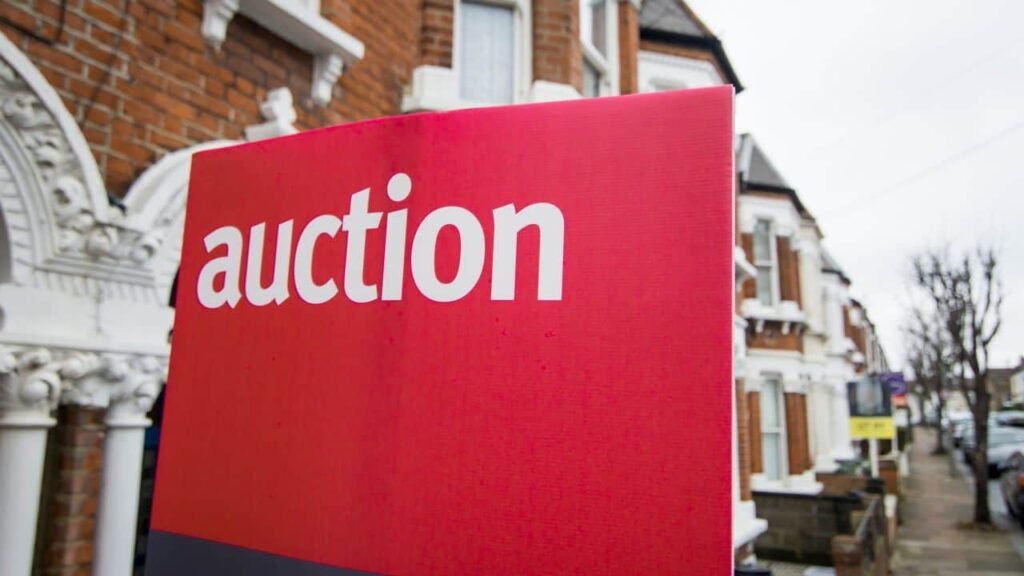
Businesses urged to provide better clarity over property auction process
The risks involved in property auctions and a lack of knowledge about the process are driving a disproportionate number of complaints from buyers, according to a new report by the Property Ombudsman.
It found that although property auctions account for only 2% of home sales, they generate more than four times their share of complaints.
In 2025, The Property Ombudsman resolved over 300 complaints relating to property auctions. Auction complaints accounted for 5% of all complaints received by the Ombudsman and 9% of all residential sales complaints.
Of the auction-related residential sales complaints, more than two-thirds (68%) were made by buyers and prospective buyers rather than sellers.
Consumers confused and ill-prepared
The report highlights consumers’ lack of preparation and understanding of the auction process, with its casework suggesting that consumers can find information complex and confusing.
Misunderstanding of the Modern Method of Auction is particularly high, leading to a corresponding rise in complaints.The organisation points out that while MMOA can appear similar to a traditional estate agency sale, it can involve different fees, deadlines and commitment points which can confuse consumers.
Confusion about fees is a major cause of disputes, with buyers believing the fee will be applied towards the purchase price or refunded if the transaction does not proceed. This misconception is often due to confusing or insufficiently prominent terms, the report says.
Yet marketing accuracy and material information are especially important in auction transactions, it warns. This is due to the hurried decisions made by buyers and the earlier risk of financial or legal consequences compared to a traditional property sale.
Issues identified in the Ombudsman’s casework include complaints about inaccurate marketing information, incomplete legal packs, unexpected fees, and unclear processes.
Different levels of commitment, pace and risk
Lesley Horton, Chief Property Ombudsman, said: “Property auctions can offer speed, certainty and a defined route to sale. However, they also involve a different level of commitment, pace and risk.
“Buyers must carry out appropriate checks before bidding or reserving a property, but businesses also have a responsibility to communicate fairly, clearly and transparently. The point of financial or legal commitment must be made impossible to miss.”
The Property Ombudsman is calling for greater clarity from auction providers about the type of auction being used, when financial and legal commitment begins, what fees are payable and what happens if the sale does not proceed.
It also suggests that businesses treat reservation fees as a high-risk consumer issue, provide clear written and verbal explanations before taking payment and properly highlight key risks rather than simply making legal packs available.
Meanwhile, the Ombudsman advises buyers and sellers to better understand the process before they start, reading the relevant guidance, asking questions and carrying out due diligence before bidding or listing.