
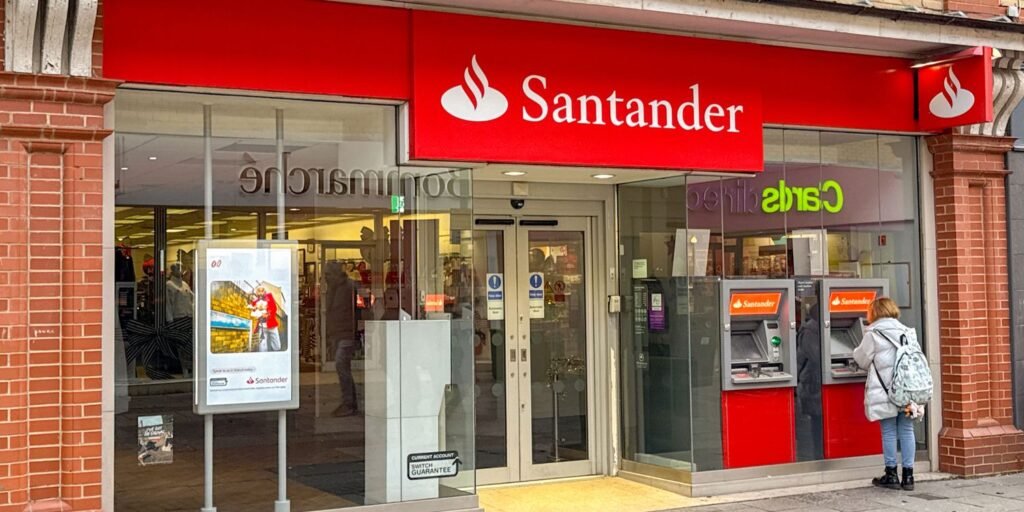
Santander has joined a small, but growing, group of lenders offering mortgages to people with a deposit of less than 5%.
‘My First Mortgage’ will allow first-time buyers to purchase a home with a 2% deposit and is available at a rate of 5.19% fixed for five years, with £250 cashback and no product fees.
However, Santander’s new deal comes with strict eligibility criteria on deposit size and the type of property you can buy, which means you might not be able to benefit.
Here, we explain who qualifies for Santander’s new deal, how it compares, the pros and cons of taking out a low-deposit mortgage, plus whether it’s worth waiting and saving a bigger deposit.
Who can get Santander’s 2% deposit mortgage?
Santander’s new mortgage is available to first-time buyers, but not those who are self-employed or living in Northern Ireland.
You will need at least £10,000 saved up for your deposit to qualify, and you must borrow at least £190,001 up to a maximum of £500,000.
Santander’s maximum lending on this product is 4.45x times income, so you will need to earn more than £112,000 a year to get the full £500,000.
My First Mortgage is also only available to those purchasing existing houses. First-time buyers purchasing flats or new build houses will only be able to borrow up to 95% loan-to-value with Santander. This is because these properties are more risky for lenders, as they are less likely to increase in value.
The product can only be applied for via a Santander mortgage adviser or mortgage broker.
- Find out more: how to choose a mortgage broker
How does it compare?
Here’s how Santander’s new deal compares to other five-year-fixed-rate mortgages that allow first-time buyers to put down a deposit of less than 5%.
When looking at this type of product, Skipton Building Society offers the lowest rate, at 5.09%, but Santander’s new product is competitively priced.
However, Santander’s minimum deposit size is bigger than that of other lenders in this market, which could mean some buyers don’t qualify.
David Hollingworth, of London & Country, told Which?: ‘This is an important addition from a major lender, adding to the growing ranks of mortgages designed to ease the struggles of first-time buyers.
‘These products do carry eligibility requirements, so won’t fit everyone’s requirements and a bigger deposit will still offer a wider choice with lower rates. However, the new Santander deal should help more to access homeownership sooner than they may have thought possible.’
- Find out more: Santander mortgage review and rates
Should you wait and save a bigger deposit?
The size of your deposit can make a big difference to your monthly payments, as a bigger deposit usually means you can access better rates.
We’ve looked at what a first-time buyer purchasing a property for £250,000, going for a five-year fixed-rate (the most popular product for first-time buyers) will pay with no deposit, as well as deposits of 2%, 5% and 10%.
The table shows that a 5% deposit could save you £118 a month compared to a 2% deposit, which amounts to over £1,400 a year.
The savings are even greater with a 10% deposit; you could save more than £250 a month compared with a 2% deposit. Over a year, that adds up to more than £3,000.
Rates collected from Moneyfacts on 3 February 2026
- Find out more: mortgage repayment calculator
The pros and cons of low deposit mortgages
The advantage of going for a low-deposit mortgage is that you might not need to wait as long to save up what you need.
More than half of UK adults said they found saving money for a deposit to be the biggest barrier to buying a property, according to research by Santander. Indeed, the average first-time buyer with the bank put down a deposit of more than £85,000 last year.
But one downside is that monthly repayments are steeper on low-deposit mortgages, as rates tend to be higher on these deals.
You will also need to factor in the other costs of buying a home, like stamp duty and conveyancing fees. So even though you save on the deposit, you will need to have some extra savings to cover the other costs involved.
There’s also a higher risk of negative equity, where you owe more than what your home is worth, with low-deposit mortgages. This might occur if property prices fall faster than you’re able to build equity through repayments. This could make it harder to move or remortgage later on.
Nicholas Mendes, at John Charcol, told Which?: ‘The main consideration is the lack of headroom. At 98 per cent LTV, even a modest fall in property values can leave a borrower more exposed to negative equity, which can reduce flexibility when it comes to remortgaging or moving.
‘That is why borrowers should treat it as a longer term plan, keep a buffer, and where possible use overpayments to bring the loan-to-value down towards 95 per cent or 90 per cent over time, which is where pricing typically gets more competitive.’
- Find out more: best mortgage rates
Other options for first-time buyers
If you are struggling to save up enough of a deposit, there are other options to explore.
A guarantor mortgage allows family or friends put up money as collateral. This can be done by family or friends putting money into a specially designed savings account or using their own home as security.
Barclays, Buckingham Building Society, Halifax, Loughborough Building Society, Tipton & Coseley Building Society and Vernon Building Society all offer a guarantor mortgage.
You may also qualify for a first-time buyer scheme, which can help boost your savings or reduce the upfront costs of getting on the property ladder.
- Find out more: first-time buyer schemes