
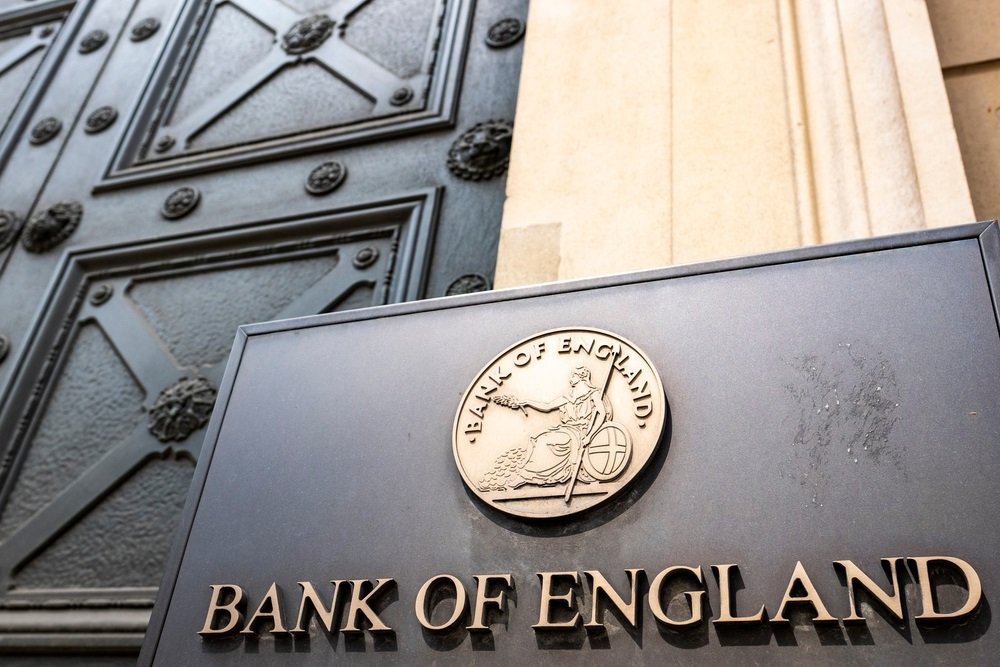
Whilst a cut to rates would have been favourable to everyone, the events in the Middle East have been driving up inflation meaning the Bank of England was expected to either hold or raise rates.
With eight of the nine members of its decision-making committee opting to hold the rate at its current level, experts say the Bank is clearly attempting to maintain a sense of stability.
Mark Harris, chief executive of mortgage broker SPF Private Clients, said: “A steady approach, rather than a knee-jerk reaction to raising rates, is important for overall market stability and confidence, which is why we welcome today’s decision.”
And Susannah Streeter, chief investment strategist, Wealth Club, agreed: “With geopolitical tensions so fraught, the Bank of England wanted to avoid a knee-jerk reaction and is trying to project calm by keeping rates on hold.
“But there’s clearly unease spreading around the table, as oil prices reach scorching levels and the repercussions risk seeping into the price of everyday goods.”
She added: “Even though the Bank has pressed pause, these are still highly uncertain times for the mortgage market.”
What does it mean for your mortgage?
In the short-term, today’s decision will mean ‘no change’ for most borrowers. Those already secured on a fixed-rate deal will be safe from any ups and downs in the markets until their deal is up for expiry.
Those on tracker deals, which follow the Bank of England base rate, will also see no difference. This will come as a huge relief, but experts are warning the Bank of England (BoE) may yet raise interest rates in months ahead.
What’s the advice to borrowers taking out a mortgage now?
Those borrowers who are about to remortgage or buy a home may also be feeling confused about the current mortgage market and pricing.
For whilst rates soared in March during the Iran conflict they have, in the last two weeks, begun dropping slightly.
According to the L&C remortgage tracker, the average two-year fixed rate has gone up by 1% in the last two months. It means the cost of a typical mortgage has increased by £124 per month in this time.
Could this be the right time to make a move?
David Hollingworth, associate director at L&C Mortgages, said fixed rates remained ‘substantially higher’ than in the period before the outbreak of the war.
And he warned, despite the fact they have dipped slightly in recent weeks, there’s a danger – with lenders’ funding costs rising – that they could begin climbing back up again.
His advice to borrowers, therefore, is to act now to secure a rate. “That,” he explained, “will avoid missing out on the current crop of rates and avoid the impact if rates do rise again but still allows for a review of the deal before completion, if rates do ease back again.”
His views were echoed by many other experts including Mark Harris. He said: “With so much global uncertainty, borrowers coming up to take out a new mortgage or refinance would be wise to secure a rate sooner rather than later.
“Most lenders will let you reserve rates up to six months before required and if, by the time you come to take out your mortgage, rates have fallen, you should be able to switch onto a cheaper deal at that time. However, if rates have risen in the meantime, you will be glad you took action when you did.”
Is it worth considering a tracker mortgage?
Mortgage brokers have reported in increase in both interest in and take up of tracker mortgages in recent months. These are deals which track the Bank of England base rate and the initial rates on these at present have made them more attractive than fixed rate deals, which have soared in price.
Hollingworth said L&C had seen applications on these mortgages treble in April compared to March as more borrowers bet on a more steady base rate.
He added: “Others will be hoping that fixed rates can improve further over time and are using a no early repayment charge tracker as a holding position, allowing a switch to a fixed rate at a later date.
“If rates do climb payments will rise, so it’s still likely to appeal to those with more flexibility in their monthly budget.”