
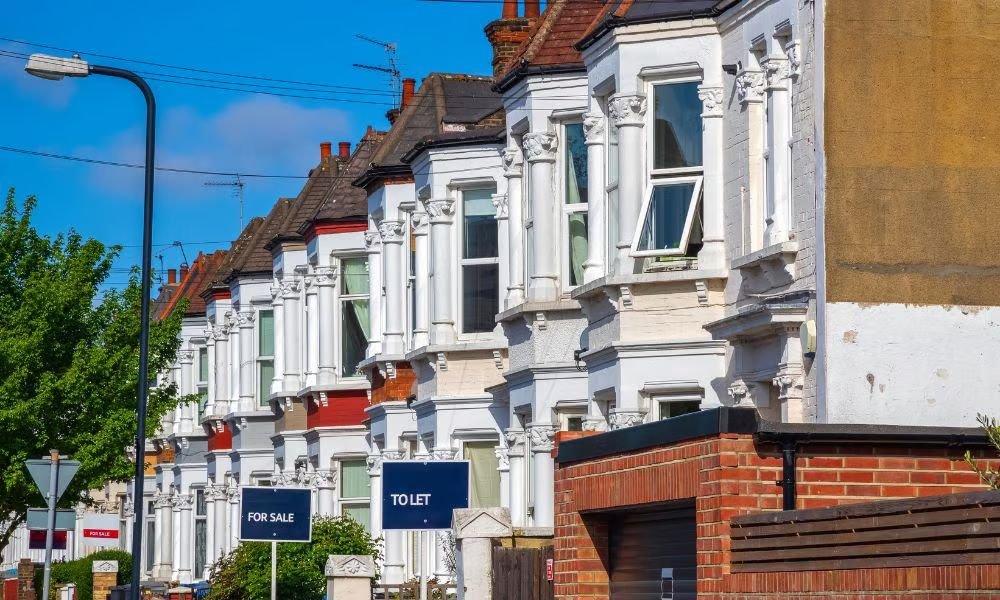
“It’s very area and property type specific,” Smith said. “There are far too many one-bed flats out there for the market’s interest, and landlords are repositioning to different parts of the country where they think returns are better.”
London hits an affordability ceiling
Smith pointed to a structural shift playing out across London and its surrounding counties, where the capital’s rental market has effectively reached the limits of what tenants can pay. Average private rents across the UK stood at £1,381 a month in April, up 3.5% on the year, according to the Office for National Statistics. But that national figure, Smith argued, masks a more complex picture on the ground.
“Rents in London are pretty flat,” he said. “Rents in the home counties are rising quite quickly and are starting to show parity with London. The London market has, to some extent, reached affordability thresholds. People just don’t have any more money, so you can’t put rent up.”
He drew a parallel with Manchester, where significant new-build activity has softened rents in the city itself, while satellite towns are experiencing rapid growth. “If you go to Macclesfield, people are pushing out from Manchester and rents are really rising in some of those surrounding places,” he said.
That kind of divergence, Smith argued, makes the rental market almost impossible to regulate effectively at a national level. “The situation is super localised at the moment. You might go somewhere that’s great, and 10 miles down the road it’s a wasteland for rental. It’s become a hyper-local market.”