
By
Bloomberg
Published
July 14, 2026
Kenya’s rich are increasingly buying collectible assets for their personal enjoyment and long-term investment potential, according to a new report.

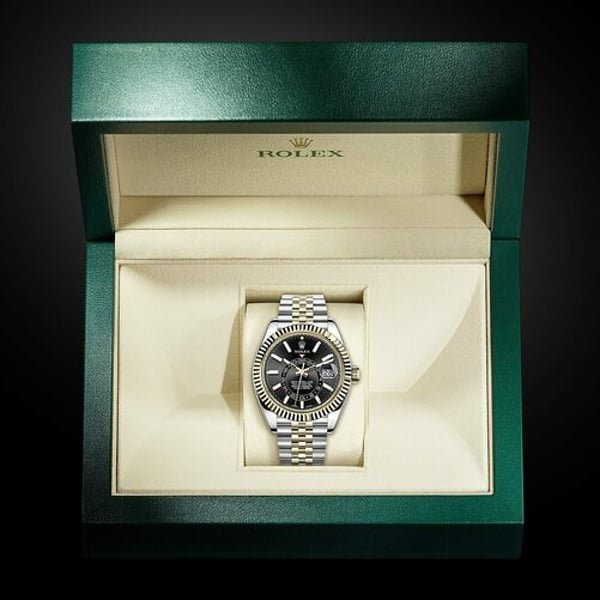
Kenyans with a net worth of at least $1 million are interested in acquiring so-called investments of passion including jewellery, wine, and rare whiskey in 2026, according to a Knight Frank LLP survey of more than 40 wealth managers. While art remains the preferred passion asset, watches have overtaken classic cars as the next most sought-after collectible, partly because they offer discretion, liquidity, and wealth preservation. Still, the country’s rich allocate less than 10% of their portfolios toward these luxuries.
The nation is a burgeoning market for wealth creation because of its status as East Africa’s commercial hub, with Nairobi serving as key base for companies expanding in the region. Kenya’s population of high-net-worth individuals rose 10% in 2025 and is expected to grow a further 20% this year partly supported by improved macroeconomic stability and currency stabilisation, according to the report. While Knight Frank didn’t quantify the size of the country’s high-net-worth population, Henley & Partners estimates it’s home to more than 6,800 people with liquid investable wealth of at least $1 million.
Survey respondents also reported that emerging sectors their clients are considering investing in this year include data centres, residential properties for rent, hotels and leisure, and farmland as well as logistics and industrial real estate. The trends suggest high-net-worth individuals are “increasingly balancing traditional wealth-preservation strategies with exposure to high-growth sectors linked to technology, demographics, infrastructure, and changing consumer behaviour,” Knight Frank said.
While wealthy Kenyans typically own multiple homes- largely for personal use rather than income generation- less than 10% bought homes last year or plan to do so in 2026, according to the report. That’s as investors are prioritising assets that generate stable income streams, preserve capital, and offer easier market-exit opportunities such as real estate investment trusts and a wide range of financial instruments including treasury bonds and fixed-income securities, the consultancy said.
Still, Kenya remains the top destination for home purchases, followed by the UK and South Africa, and the East African nation remains the dominant location for commercial property investment.
“The continued dominance of Kenya underscores strong domestic confidence, underpinned by relative macroeconomic stability, sustained real estate sector activity, and a growing sense of national economic participation,” Knight Frank said. “For many HNWIs, local property investment is viewed not only as a wealth-preservation strategy but also as a contribution to domestic economic development.”
In line with that confidence, there’s limited appetite for second citizenships or alternative residency among Kenya’s rich, according to the report.