

East London has few areas that combine a fast City commute, deep tenant demand, and a regeneration budget measured in billions. Stratford is the rare one that ticks all three boxes at once.
Once an industrial fringe, the district was reshaped by the 2012 Olympics and has kept building ever since. Today it pairs a Newham average near £402,000, rents around £1,910 each month, and one of the best-connected stations in the country.
For investors weighing where to place money in 2026, that blend of income, growth potential, and world-class transport is hard to ignore.
This guide breaks down the prices, yields, connectivity, and regeneration behind the area, plus the risks worth checking first.
Key takeaways
- Newham averages near £402,000, the E15 postcode about £452,000, and Olympic Park E20 beyond £620,000.
- Rents close to £1,910 a month support gross yields of roughly 5 to 6 percent.
- The station is one of the UK’s best connected, reaching 25 of 33 London boroughs.
- Regeneration around the Games site supports as many as 40,000 jobs and £5 billion of value.
- Leasehold terms, building-safety checks, and a recent price dip all deserve weighing first.
Why Stratford keeps drawing investors
Stratford sits in the London Borough of Newham, about six miles east of the City. The traditional town centre and Maryland fall in E15, while the newer Olympic Park and Stratford City developments carry the E20 postcode created for them in 2011.
The 2012 Games triggered large-scale, long-term regeneration led in part by the London Legacy Development Corporation. That legacy turned a neglected quarter into a magnet for work, retail, and study.
For anyone buying here, local insight counts. Values and rents shift sharply between a new E20 tower and an older terrace, so it helps to work with Stratford estate agents who know which blocks and streets command the strongest returns.
Get that read right and the area rewards patient capital with dependable rent today and a credible growth story for tomorrow.
The numbers behind the market
Price depends heavily on postcode. Over the past year, the average sold home in E15 went for about £452,000, while property around the Olympic Park in E20 reached roughly £620,000.
Across Newham as a whole, the figure sat near £402,000 in early 2026, comfortably above the England average but below the wider Greater London number of £554,000.
Be honest about timing, though. Like much of the capital, Newham saw values slip by around 6 percent in the year to January 2026, a reminder that London prices move in cycles.
New-build stock near the Park still commands a premium, but the wider borough offers more room to negotiate in a softer market.
Rents tell a stronger story. The typical monthly rent in the borough reached about £1,910 during early 2026, up more than 8 percent over twelve months, well ahead of the London-wide pace.
Put buying costs and income together and gross yields settle near 5.5 percent, ahead of the usual London return and close to the national benchmark.
| Key stat: A £402,000 home returning £1,910 in monthly rent yields about 5.5 percent gross, comfortably above most London postcodes. |
Costs matter too. Purchasing an additional home adds a Stamp Duty surcharge, so weigh the Stamp Duty rules for additional homes into your sums and decide early whether residential or commercial property fits your goals.
Transport that powers rental demand
Connectivity is the district’s biggest asset, and the reason tenant demand stays deep. One station brings together the Elizabeth line, Jubilee and Central lines, DLR, Overground, and National Rail under a single roof.
| Destination | Typical fastest journey | Line |
|---|---|---|
| St Pancras International | About 7 minutes | Javelin (HS1) |
| Liverpool Street | About 8 minutes | Elizabeth line |
| West End (Tottenham Court Road) | About 15 minutes | Elizabeth line |
| Canary Wharf | About 11 minutes | Jubilee line |
Typical fastest journeys; times are approximate and vary by service.
From Stratford International, the Javelin reaches St Pancras in about seven minutes.
The Elizabeth line reaches Liverpool Street, Tottenham Court Road, and Paddington in under twenty minutes, while a short Jubilee hop lands you at Canary Wharf. Altogether the hub connects to 25 of London’s 33 boroughs.
That reach pulls in commuters, students, and young professionals, precisely the tenants who fill flats quickly and renew often. An £8.4 million new entrance opened in 2024, with a larger upgrade planned.
Stratford now ranks among the country’s busiest stations, and the 24-hour Night Tube on the Central and Jubilee lines keeps the area moving after dark.
A regeneration story few places can match
Few London districts can point to a pipeline like this one. The Queen Elizabeth Olympic Park anchors a wave of cultural, educational, and commercial investment.
At its heart is East Bank, the capital’s newest cultural quarter, backed by more than £600 million. It brings UCL East, London College of Fashion, V&A East, BBC Music Studios, and Sadler’s Wells East together on one waterfront. You can explore the new culture and education district on the Park in more depth.
The employment picture is just as striking. The development corporation behind the Park estimates up to 40,000 jobs on and around it, carrying a cumulative economic value above £5 billion.
Add Westfield Stratford City, one of Europe’s largest urban shopping centres, the Stratford Cross business quarter, and the Here East technology campus, and you have a real jobs hub. More than 15,000 students now study across six local institutions.
Major occupiers including the Financial Conduct Authority and Transport for London already base thousands of staff nearby, while the former athletes’ village now provides thousands of rental homes as East Village.
For investors, this is what matters. Jobs and students create the underlying tenant demand that props up rents, so it pays to set the area against other homes for your capital before committing.
What investors should weigh before buying
Stratford is not without complications, and the numbers only work if you buy carefully.
- Most flats are leasehold, so scrutinise lease length, ground rent, and service charges, which can run high in newer towers.
- Building-safety paperwork can affect sales and mortgages on some blocks, so read the building-safety rules that now affect flats before you commit.
- The E20 premium is real, so compare it against better-value stock a short walk away in E15.
| Warning: On some post-2000 blocks, missing fire-safety certification can stall a sale or a mortgage, so confirm the documents exist before you exchange. |
Regulation is tightening as well. The Renters’ Rights Act, arriving in 2026, ends Section 21 evictions and raises landlord duties, so budget for the added compliance. It also pays to plan your eventual exit route from the outset, whether that means a resale or an auction sale.
| Pro tip: New E20 towers command headline rents but carry higher service charges, while older E15 flats often deliver a stronger net yield. |
Local expertise smooths all of this. In one review of the firm’s Stratford office, a seller praised agent Ayuub for communicating brilliantly and taking decisive action throughout the sale.
Ayuub in the Stratford office has been second to none.
Watch: “London Stratford Walking Tour 4K: Olympic Park, Market & Westfield”
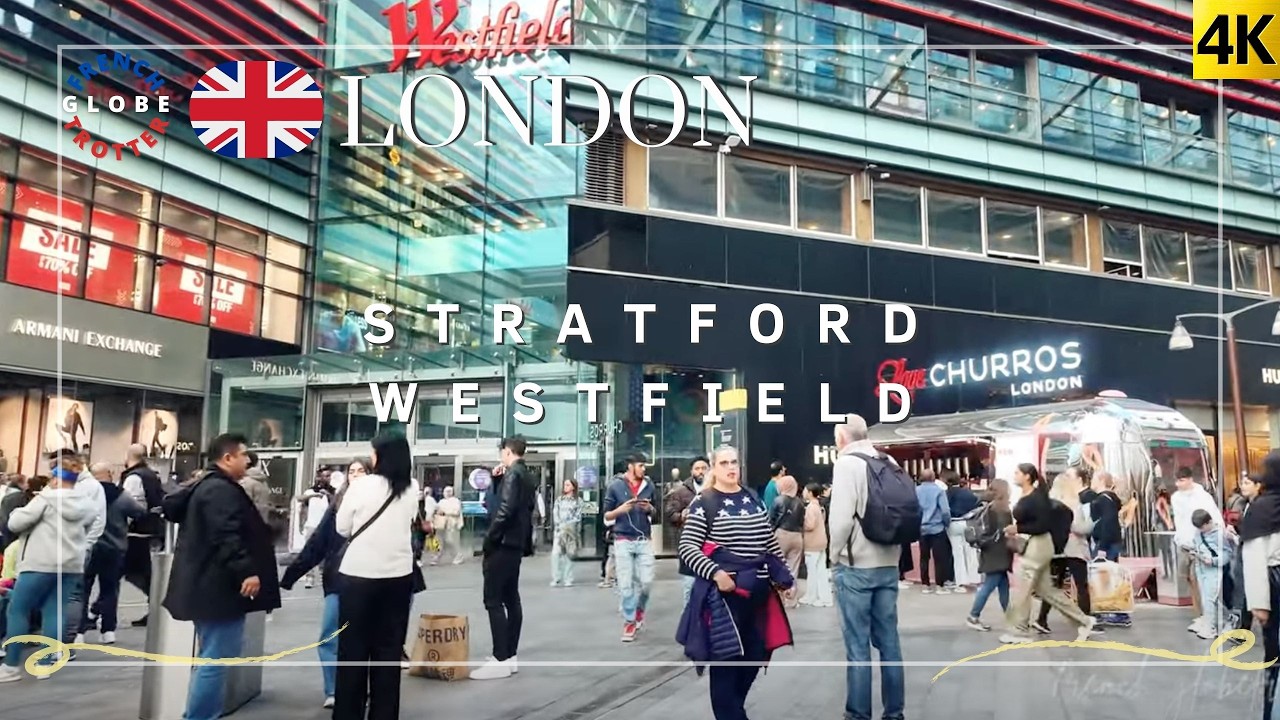
A walking tour of the town centre, Olympic Park, and Westfield gives a quick feel for the neighbourhood.
Frequently Asked Questions
Is Stratford a good area to invest in property?
Yes, for growth-focused buyers. The district offers outstanding transport, strong demand from students and professionals, and huge regeneration. Solid mid-single-digit yields, plus a broad jobs base, back both rental income and long-term capital appreciation.
How much does property cost in Stratford?
It varies by postcode. Recent sold prices averaged roughly £452,000 across E15 and about £620,000 in the newer E20 by the Games site. The wider Newham figure stood close to £402,000 early in 2026.
What rental yield can I expect in Stratford?
Gross returns usually sit in the mid-single digits, with monthly rents around the £1,910 mark. That runs ahead of the wider London figure and near the UK benchmark, though your net income depends on running costs and voids.
How good are the transport links?
Outstanding. One hub gathers the Elizabeth and Jubilee routes, the Central line, National Rail, plus DLR and Overground services, alongside a Javelin that hits St Pancras in roughly seven minutes and links to most London boroughs.
What should I check before buying a flat here?
Confirm the lease terms, any ground rent, and ongoing charges, then check building-safety paperwork on newer towers. Set the E20 premium against cheaper E15 options, and factor in the new Renters’ Rights rules and purchase taxes.
The bottom line for investors
Stratford is not the cheapest corner of East London, and recent price falls show it is not immune to wider market swings. What sets it apart is the sheer weight of investment behind it.
With world-class transport, a £600 million cultural quarter, tens of thousands of jobs, and thousands of students on the doorstep, the demand drivers look durable. Buy the right property at a sensible price, and the area can deliver dependable income with real upside over time.
Fact Check: All statistics and data points in this article were verified against original sources as of 10 July 2026.