Aussie’s retirement plans ‘derailed’ as SMSF property borrowing ban hits in weeks: ‘Not ultra-wealthy’
6 Mins Read
Aussies saving for retirement through self-managed super funds (SMSFs) say they have been blindsided by the government’s ban on super property lending. The strategy accounts for less than 1 per cent of total property lending, but critics are warning the change could hurt the retirement savings of everyday Aussies.
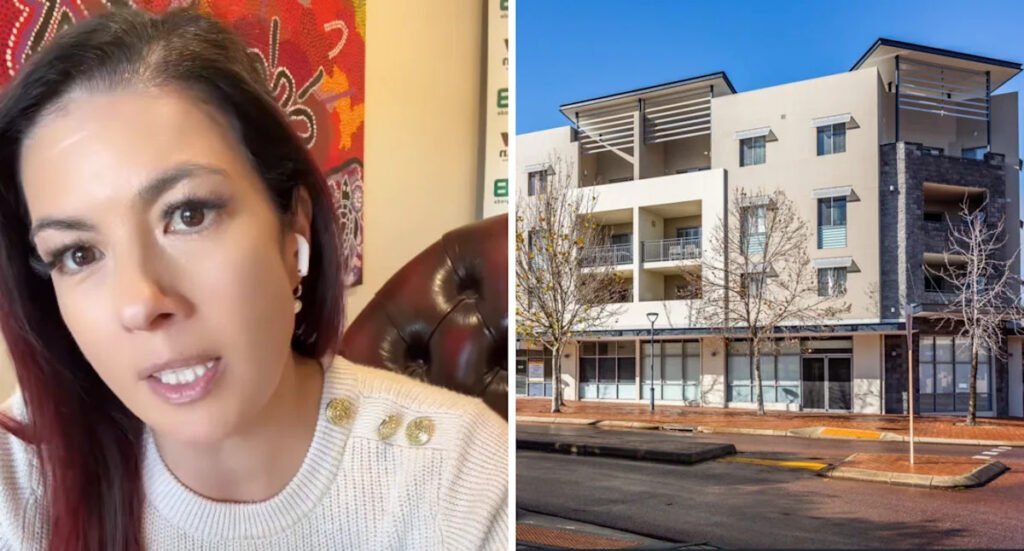
Alana Mohi set up an SMSF a year and a half ago and borrowed to buy a $435,000 investment property in Perth a few months later. The 43-year-old FIFO and mining careers specialist told Yahoo Finance she wanted to take control of her super following the market downturn during Covid and make sure she wouldn’t have to rely on the pension when she retires.
“I’ve been working since I was 15 years old. I did FIFO for 17 years and then I started my business. So I’m not some crazy wealthy property investor who’s using it to get 27,000 properties,” Mohi said.
RELATED
The unit she purchased is tenanted and positively geared, she said. Since she purchased it in February 2025, it’s grown in value to be worth about $605,000.
Mohi is “ropeable” about the changes as she had been hoping to buy a second investment property through her SMSF in the next couple of months.
“I’ve just started salary sacrificing $1,500 a week because I was gearing up to get the next one in a couple of months. Now that’s just completely derailed that whole plan,” she said.
WT Wealth head of financial services Scott Averay told Yahoo Finance his business had been inundated with calls from worried clients this week.
“[There’s a] sense of disappointment, fear they won’t be able to save for that retirement that they thought they were going to get to, and just wanting to know how this is going to impact their strategies,” he said.
WT Wealth’s sister company, WT Capital, provides property acquisition for residential property inside SMSFs and will see its business model majorly impacted by the new ban.
“It’s going to change the nature of the business and how we operate, but we will pivot from that,” Averay said.
WT Wealth head of financial services Scott Averay said he’s been inundated with calls from clients following the SMSF changes. ·Source: WT Capital/AAP
Averay said his clients were everyday Aussies like Mohi, rather than wealthy investors.
“We have a lot of FIFO clients, we have a lot of corrective services clients, and every day mum and dad type clients that have used self-managed super funds and borrowing to get ahead in life,” he said.
“It’s not the ultra-wealthy. What you would call your everyday typical Labor voting client who’s going to be impacted by this.”
The major banks withdrew from offering limited recourse borrowing arrangements (LRBAs), the type of loan that allows SMSFs to borrow to invest in property, between 2015 and 2018, but they are still available through second-tier banks and other lenders.
A joint statement by eight non-bank lenders, including Pepper Money, Liberty Financial, Resimac and Firstmac, also argued the change would hurt everyday Aussies and was “inconsistent with the Government’s stated objectives to support housing affordability and promote retirement savings”.
“While it’s a small part of the broader lending market, for working Australians with an SMSF, it has a really important role in their retirement savings strategy,” Liberty Financial CEO James Boyle said.
“Preventing the use of modest borrowing for residential property will disadvantage many Australians and limit their ability to maintain a diversified portfolio, particularly in times of global and market uncertainty.”
Ray White Commercial Western Sydney said it had already seen early movement into industrial strata, with buyer activity picking up across two of its current projects over the past week.
SMSF investors only small part of housing market
There are about 1.2 million people in 673,000 SMSFs, according to Australian Taxation Office (ATO) data.
Of the $1 trillion invested by SMSFs, only about $80 billion is through limited recourse borrowing arrangements.
When announcing the ban this week, Treasurer Jim Chalmers said the changes would only impact a “very small part of the housing market”.
“SMSFs, for example, are less than 1 per cent of total residential property borrowing and less than 0.5 per cent of new residential borrowing each year,” he said.
Existing arrangements won’t be impacted by the change, and SMSFs will still be able to borrow to invest in commercial property.
Super funds are typically not allowed to borrow to purchase assets, but in 2011, SMSFs were given an exemption that allowed them to do so when buying single assets.
The Greens have argued wealthy property investors would be able to exploit a “loophole” to use SMSFs to buy investment properties after the CGT tax hikes in the budget, pointing to social media ads targeting Aussies spruiking it as a “budget loophole” and explaining “why SMSF is now king”.
Super funds, including SMSFs, were exempt from budget changes. Super funds are eligible for tax breaks on property, including a 10 per cent tax rate on capital gains when assets are sold and there is no tax for retirees over 60 when a super fund is in pension phase.
Previous inquiries have also raised concerns that these arrangements raise risks for super investors. That includes the the 2014 Murray Financial System Inquiry conducted for the Coalition, which recommended reinstating the prohibition.
But for Mohi, she feels like the changes mean it will be harder for Aussies to take control of their financial futures.
“The government keeps moving the goal posts. How is the average Australian meant to get ahead these days?”
If you wish to unsubscribe from our newsletter and promotions emails, please click here
We use cookies on our website to give you the most relevant experience by remembering your preferences and repeat visits. By clicking “Accept All”, you consent to the use of ALL the cookies. However, you may visit "Cookie Settings" to provide a controlled consent. View more