
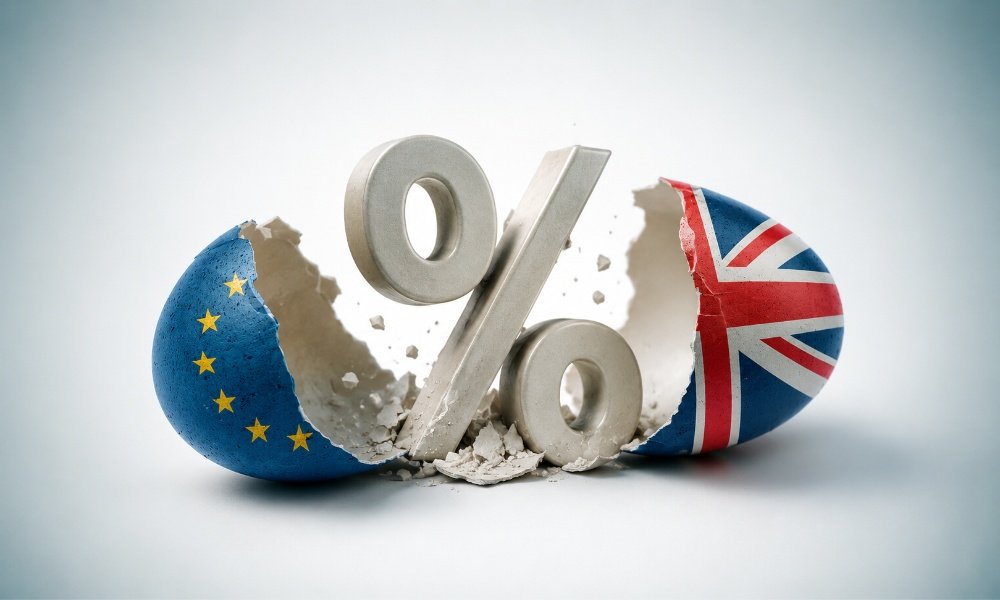
Purchase rates have followed a similar trajectory. The average two-year rate for homebuyers with a 10% deposit was 2.48% in June 2016 and now stands at 4.93%. The average five-year purchase rate has risen from 3.29% to 4.84% over the same period.
The rate environment has been shaped by a range of factors over the decade, including the COVID-19 pandemic, a sharp rise in inflation, the September 2022 mini budget, and geopolitical instability in Ukraine and the Middle East — all of which pushed up funding costs for lenders.
That shift in borrowing costs has coincided with broader disillusionment: separate research from specialist mortgage lender Together found that half of British adults believe Brexit has harmed the housing market to some degree.
 “The rate environment has shifted dramatically since the referendum and borrowers have had to adapt to a radical change in mortgage costs,” said David Hollingworth (pictured right), associate director at L&C Mortgages. “Base rate sits at 3.75% today compared to just 0.50% at the time of the vote to leave the EU and then dipping further to 0.25% in the following months.
“A lot has happened in the mortgage market over the last ten years, but a generation of borrowers that was used to rock bottom interest rates have had to recalibrate. Ultra-low rates became the norm over a prolonged period, so the rapid uplift has made life difficult for homeowners.