
NEW YORK, June 20, 2026, 09:09 EDT
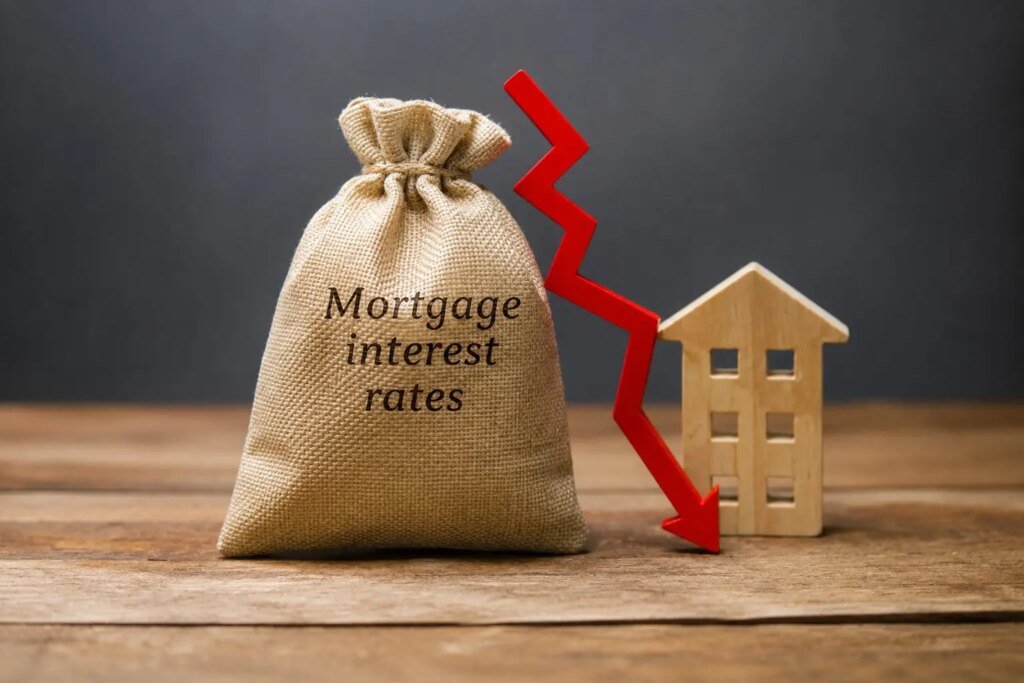
- The average 30-year fixed mortgage rate in the U.S. dropped to 6.47%, the lowest in over a month. Bond yields slipped after news of a U.S.-Iran framework deal.
- Homebuyers get a bit of relief from the dip, but borrowing costs are still high and the Federal Reserve is still eyeing inflation risks.
- Pending home sales were up in May, pointing to steady demand even as affordability keeps holding back the housing market.
Mortgage rates in the U.S. dropped to the lowest in over a month as a preliminary U.S.-Iran agreement took some heat out of Treasury markets. That move gave buyers a bit of breathing room.
30-year fixed mortgage rates fell to 6.47% for the week ending June 18, down from 6.52% the previous week, according to Freddie Mac. The rate stood at 6.81% a year earlier. The 15-year fixed mortgage edged lower as well, hitting 5.81% from 5.84%.
Housing demand is holding on, but it’s a fragile market as summer begins. Pending home sales—contracts signed but not yet closed—were up 3.8% in May from April and climbed 4.8% from last year, the National Association of Realtors said.
Buyers get some relief, but it’s not a rescue. Rates are still much higher than during the pandemic housing surge, and the slight drop in borrowing costs only does so much against years of rising prices and thin supply.
Mortgage rates usually track the 10-year Treasury yield, the main benchmark for pricing long-term loans. The Associated Press said Thursday’s 10-year yield dropped to 4.44% from 4.53% a week earlier after news on the Iran framework. Mortgage News Daily had the 10-year at about 4.456% early Saturday.
Freddie Mac chief economist Sam Khater said new data shows a “resilient consumer,” pointing to stronger retail sales and pending home sales. He said those numbers signal purchase demand is rising, though only modestly. Freddie Mac
Fixed-rate mortgages hold the same interest rate for the full term. This week, the 30-year rate slipped five basis points. Each basis point is one-hundredth of a percent, so the move was minor, but borrowers tracking monthly costs could feel the difference.
Rates shifted after Washington and Tehran signed off on a 14-point memo and agreed to extend the ceasefire another 60 days. The deal also pushes for toll-free shipping in the Strait of Hormuz and aims to get all oil shipments running again within 30 days. Reuters said the strait used to move about 20% of global oil before the conflict.
The Federal Reserve is still the main drag. The central bank kept the federal funds rate at 3.50% to 3.75% on June 17 and said inflation is still high, citing energy supply shocks from the Middle East conflict.
Markets are missing a key signal. Fed Chair Kevin Warsh’s Fed stopped giving detailed forward guidance, so investors no longer get clear hints on where rates might go. Chen Zhao, head of economic research at Redfin, told CNN the markets have entered “a new era,” saying mortgage rates probably won’t drop much anytime soon. News Channel 3-12
Demand is still holding up. NAR chief economist Lawrence Yun noted that a late-spring surge in buyers pointed to pent-up demand, with consumers seeing mortgage rates above 6% as “the new normal.” National Association of REALTORS®
Retail lenders’ mortgage rates can run higher than the Freddie Mac average. Rocket Mortgage’s 30-year fixed purchase rate was 6.75% with a 7.039% APR and 1.875 points as of June 20. Mortgage News Daily had its 30-year fixed index at 6.58%.
Anthony Smith, economist at Realtor.com, said a long-term end to the conflict might push mortgage rates down and help buyers feel more confident. But he said “the path will likely be rocky.” Realtor
Oil moved up after U.S. Vice President JD Vance cast doubt on how long the agreement would last. Analyst John Kilduff of Again Capital said only a full restart of Hormuz flows would solve the problem. The risk is that the geopolitical relief doesn’t hold.
Right now, the housing market is stuck in a narrow range. Mortgage rates have come down a bit on lower yields, but buyers, lenders and builders are stuck on the sidelines unless inflation holds steady, financing gets cheaper or home prices fall. Without one of those, the market isn’t likely to speed up.