
Mexico City is using the Real Estate Coordination Desk to streamline permits, increase legal certainty, and attract real estate investment, while developers call for faster procedures and stronger infrastructure to expand housing supply.
Mexico City’s government is seeking to strengthen its position as a real estate investment hub by simplifying procedures, expanding dialogue with developers, and promoting projects that combine private investment with urban development goals.
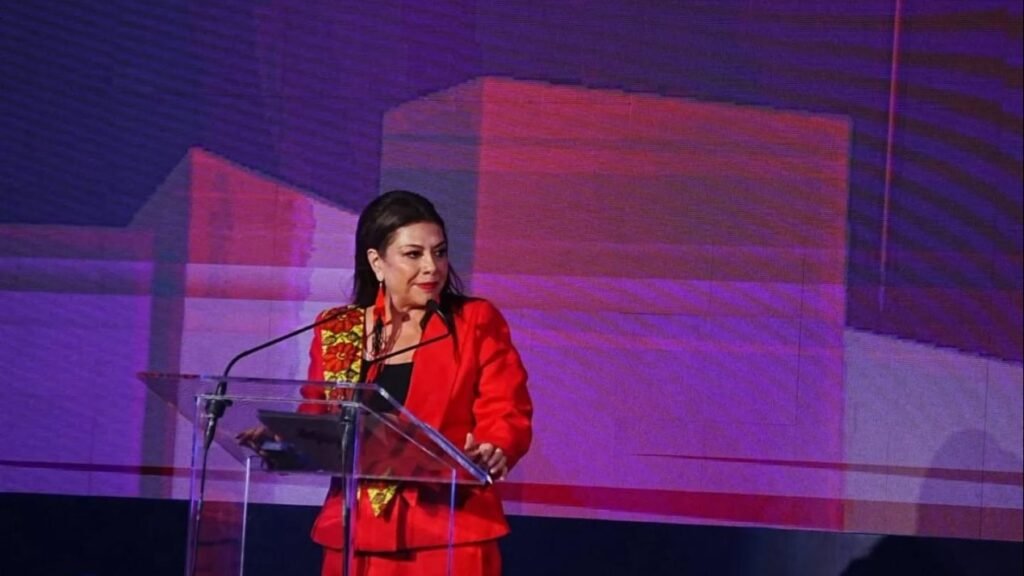
During The Real Estate Show 2026, Mexico City Mayor Clara Brugada said the capital remains open to real estate investment, while acknowledging that the sector continues to face administrative bottlenecks. Brugada said her administration aims to deepen administrative simplification and prevent compliant projects from being delayed by bureaucratic obstacles or unclear interpretations of regulations.
“Mexico City is open to investment, dialogue, and the construction of agreements. We want the real estate sector to invest, grow, and generate jobs. I am sure that we can balance real estate investment with sustainability and the right to the city,” said Brugada during the event.
Brugada said the city’s Real Estate Coordination Desk has approved the viability of real estate investment projects valued at MX$42 billion (US$2.42 billion), reports El Economista. The mechanism was launched earlier in 2025 as a coordination tool to streamline procedures, provide legal certainty to investors, and increase transparency in the approval process, reports MBN.
The Real Estate Coordination Desk was presented by the Mexico City government as a platform to help developers track the status of their projects, resolve issues directly, and receive guidance throughout the process. The local government said the mechanism seeks to simplify administrative procedures, combat corruption, and ensure that projects comply with legal and urban development requirements.
Alejandro Encinas, Minister of Planning, Territorial Organization, and Metropolitan Coordination of Mexico City previously said the desk would operate as a decision-making body to evaluate and manage investment projects. The mechanism includes a unified file, standardized requirements, and coordination with relevant agencies and the city’s 16 boroughs.
Projects covered by the platform include housing developments exceeding 10,000m² and office or commercial projects exceeding 5,000m². The city government has said the mechanism will also support the application of specific urban development rules, including General Planning Regulation 26.
The initiative comes as the real estate sector seeks more certainty to move forward with housing, office, commercial, and mixed-use developments in the capital. Brugada has said the city wants to attract responsible investment while avoiding displacement, gentrification, and projects that negatively affect communities.
At The Real Estate Show 2026, Bosco Quinzaños, President, Association of Real Estate Developers (ADI), said the association’s members expect to invest more than US$18.4 billion in Mexico during 2026, generating more than 397,000 direct and indirect jobs. For Mexico City, ADI projects an investment of more than US$4.2 billion, and that its members are responsible for 65% of national real estate investment.
Quinzaños said one of Mexico City’s main challenges is the shortage of housing, particularly affordable housing. He called for public policies and regulatory frameworks that promote investment, orderly densification, and a larger housing supply. “Without sufficient and quality infrastructure in water, energy, and mobility, there is simply no possible investment. It is the basis on which a country’s competitiveness is built, because investing in infrastructure means generating certainty, attracting capital, and triggering development,” he said.
Brugada said Mexico City’s real estate development strategy must balance private investment with sustainability and the right to the city. She added that the government seeks to maintain dialogue with the private sector under clear rules and more agile processes to promote investment and expand affordable housing.
CANADEVI Valle de México warns that permitting hurdles have slowed housing development in the capital, particularly for affordable housing projects and that the industry contributes around 6% of the city’s GDP, while business groups have described the Real Estate Coordination Desk as a long-awaited mechanism to improve trust and coordination between authorities and developers.