
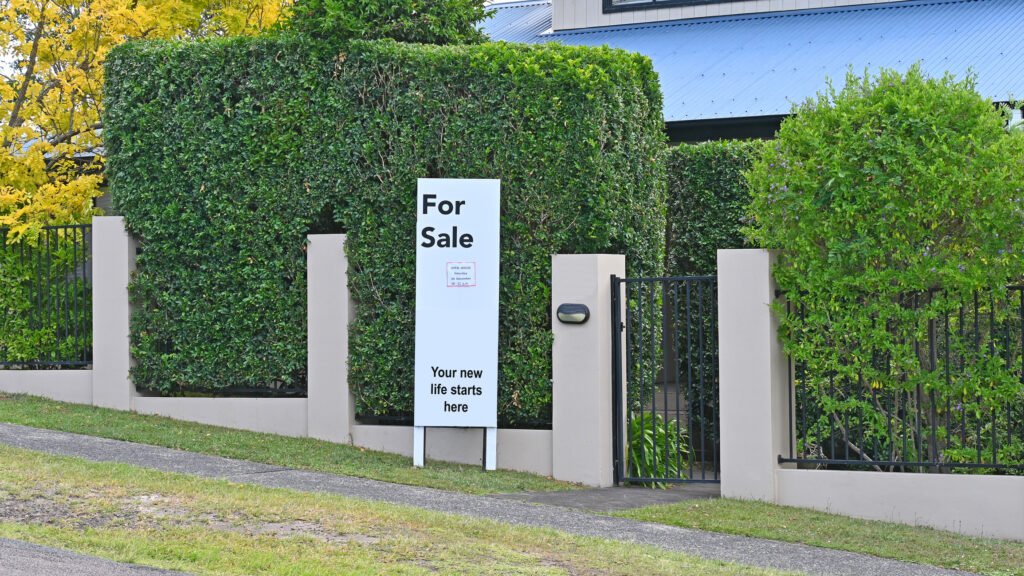
A loophole in the new negative gearing rules will allow millions of Australians to turn their existing homes into investment properties with full negative gearing concessions after July 2027.
Treasurer Jim Chalmers slashed negative gearing and capital gains tax (CGT) concessions for existing investment properties in this year’s budget to redirect investment into new homes and reduce competition within the existing housing market.
The move has kicked off fierce debate across Australia, with advocates saying it will help first-home buyers get into the market sooner while critics warn it will push up rents.
But it seems the devil is the detail of these landmark changes, with a range of carve-outs providing property investors with different ways to claim some or all of the former negative gearing concessions.
One of the lesser-known loopholes to emerge has been around whether owner-occupied homes bought before budget night could be later turned into a negatively-geared rental property.
A Treasury spokesperson confirmed that the negative gearing grandfathering settings covered properties that were both on the rental market and owner-occupied prior to budget night.
The carve-out means an existing homeowner, who buys an additional established home to move into, can rent out their former main residence and negatively gear it after 1 July 2027.

This year’s federal budget has overhauled negative gearing and capital gains tax rules for property investors. Picture: Getty
But experts warn that it could encourage some homeowners to hold onto their properties for longer.
REA Group senior economist Anne Flaherty said the loophole was likely to discourage homeowners from selling their homes.
“Existing investors have a strong impetus to hold on to properties for longer,” Ms Flaherty said.
“Similarly, new investors are going to need to hold those properties for a much longer period of time, and I think [for] people who take advantage of this loophole, there’s a very strong financial incentive to hold the property for longer.”
REA Group senior economist Anne Flaherty says there’s a strong financial incentive for property investors to hold onto properties for longer.
Melinda Jennison, buyer’s agent and president of the Real Estate Buyers Agents Association of Australia (REBAA), said homeowners considering the loophole should get a property valuation and seek professional advice due to the complexity of the tax changes.
“When you convert an existing owner-occupied home into an investment property, it’s critical to get a valuation at the point of when that becomes an income-producing asset,” Ms Jennison said.
“It’s also important for anyone that is considering that as an investment strategy to really understand how their loan is structured, and speak to a mortgage broker and an accountant to ensure that it’s structured effectively, so they can lock in the potential negative gearing benefit in the future.”
Negative gearing allows property investors to deduct losses from rental properties on taxable income such as salaries.
Housing affordability remains at historically low levels in Australia. Picture: Getty
Under the budget changes, negative gearing has been abolished on existing investment properties bought after budget night.
From 1 July 2027, property investors will only be able to negatively gear newly built homes after budget night.
Investors will still be able to buy and rent out an existing property after budget night, but will only be able to deduct losses against residential property income such as rent and capital gains rather than broader incomes like salaries.
These investors will also be able to carry forward losses to offset residential property income in future years.
Real Estate Buyers Agents Association of Australia president Melinda Jennison says property investors will need professional advice under the new rules. Picture: Supplied
On CGT, the government replaced the 50% CGT discount with a pre-1999 inflation indexation model and introduced a minimum 30% tax rate on capital gains.
The change will apply to all asset classes and will tax real gains adjusted for inflation over the life of the investment.
The 30% minimum tax rate will apply to capital gains from 1 July 2027 and won’t affect people whose capital gains are already taxed at rates of at least 30%.
Homes owned before budget night will be partially exempt, with the final discount becoming a combination of the proportion of time the asset was held under the different tax settings.
New homes will be exempt from the CGT changes as well, and property investors will have the option of retaining the 50% discount or adopting the inflation-based model on new build purchases.
Housing affordability remains at historically low levels in Australia, according to the latest PropTrack Housing Affordability report, with the dream of home ownership feeling increasingly unattainable for many Australians.
Australia’s median home price has increased 8.5% to $910,000 over the past year, according to the PropTrack Home Price Index.
Rental affordability is also at the lowest level since at least 2008 due to rising rents and tight vacancy rates, according to the latest realestate.com.au Rental Affordability Index.
Get your realEstimate™
Track your property’s value and unlock insights and data tailored for property owners.
Experts agree that building more homes and increasing housing supply is the best way to fix housing affordability, however there aren’t enough new homes being built to keep up with the country’s population growth.
Home building approvals have been increasing, but Australia is still behind on the National Housing Accord target of building 1.2 million new homes over the five years to mid-2029.