
Homeowners are being warned about unlikely garden improvements which can cause problems with their insurance

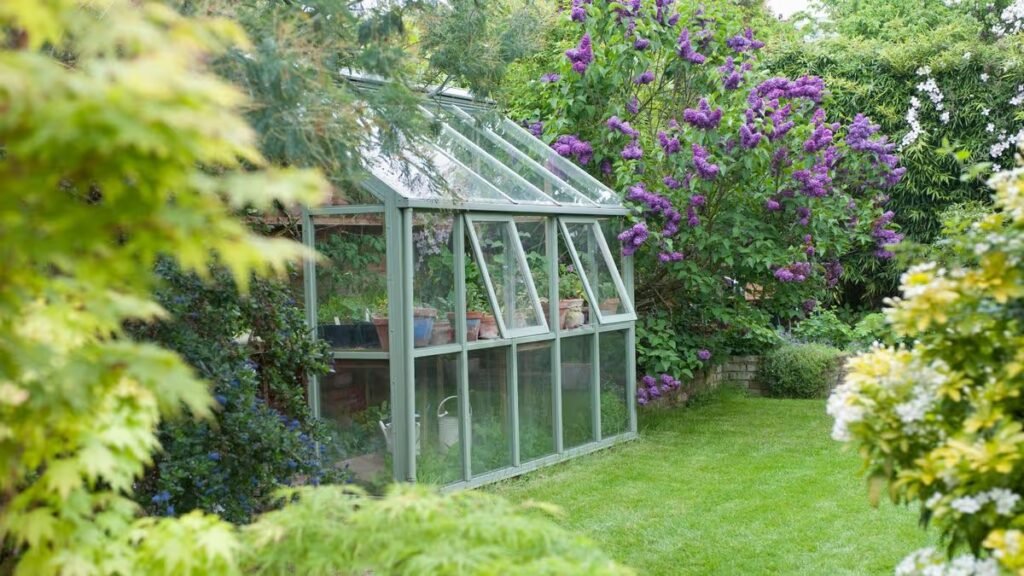
You must let your insurer know if you add any outbuildings to your garden(Image: Getty Images/Cultura RF)
Homeowners are being cautioned about garden improvements that could invalidate their home insurance. With approximately 70% of UK homes believed to be underinsured, not declaring garden features could further heighten the risk of reduced pay outs or rejected claims.
It’s crucial to always employ a qualified professional for tasks such as plumbing, electrical work or even installing decking and patios, as substandard garden work that fails to meet regulatory standards can also invalidate insurance.
Seemingly innocent additions such as sheds, trampolines and climbing frames can all impact insurance if they are not properly declared or safely installed.
Sheds are frequently used to store valuable items like tools and bicycles, meaning insurers may impose cover limits or demand additional security measures.
Outdoor play equipment, if not correctly installed, can also present safety risks, raising the likelihood of injuries and potential liability claims.
More substantial projects, such as summer houses and outdoor offices that incorporate plumbing and heating, may require planning permission and must comply with building regulations. If these requirements are not satisfied, it could affect the validity of home insurance, as insurers may reject claims involving unauthorised or non-compliant structures.
Home insurance experts at Tiger.co.uk have highlighted five garden features that should be declared to insurers to help prevent issues with cover.
Five garden features which could invalidate home insurance:
Installing garden rooms or outbuildings
Permanent structures such as outdoor offices and summer houses equipped with heating or plumbing must be disclosed to your insurer, as they may not be covered if left undeclared. These additions can also increase the cost of rebuilding your home following damage and may heighten the risk of fire or theft.
Adding sheds or storage structures
Garden sheds and storage units can impact your cover, particularly if you’re keeping high-value items inside. Insurers frequently impose strict limits and security requirements for outbuildings. Homeowners should carefully review their policy terms and conditions, as some may even specify that valuable items shouldn’t be visible through windows.
Planting new trees
Planting new trees, particularly those positioned too close to buildings, can lead to structural issues over time, including subsidence or foundation damage. This can impact your home insurance and may result in claims being rejected if the risk wasn’t declared or adequately managed.
Poor-quality or non-compliant garden work
Undertaking substandard garden work that subsequently causes problems can affect your insurance. This might include poorly installed decking, unstable patios or inadequately fitted electrical work. If the work is deemed unsafe, poorly executed or fails to meet regulations, it may invalidate a claim if found to have contributed to the damage.
Trampolines and large play equipment
Trampolines and large outdoor play equipment, such as climbing frames, heighten the risk of injury, particularly to children, and can create liability complications should someone be hurt on your property. Many insurers either exclude such items or impose strict conditions, including safety nets, soft landing surfaces or secure anchoring, for cover to remain valid.
Ian Wilson, home insurance expert at Tiger.co.uk, said: “As the weather begins to improve and households spend more time outdoors, now is a great time to carry out upgrades or improvements in the garden. However, many homeowners don’t realise that some simple changes can still affect their home insurance cover.
“Additions like kids’ play equipment and storage units, or even quick DIY jobs, might feel like you’re making minor changes to a garden, but if they’re not declared or installed well, they could lead to complications when making a claim.
“That’s why it’s so important for homeowners to keep their insurer informed of any upgrades and ensure all work is carried out to a high standard.
“By using qualified professionals to carry out garden work as well as reviewing policy details when adding any new additions, you can better protect your property and avoid the risk of reduced pay outs or rejected claims in the future.”