
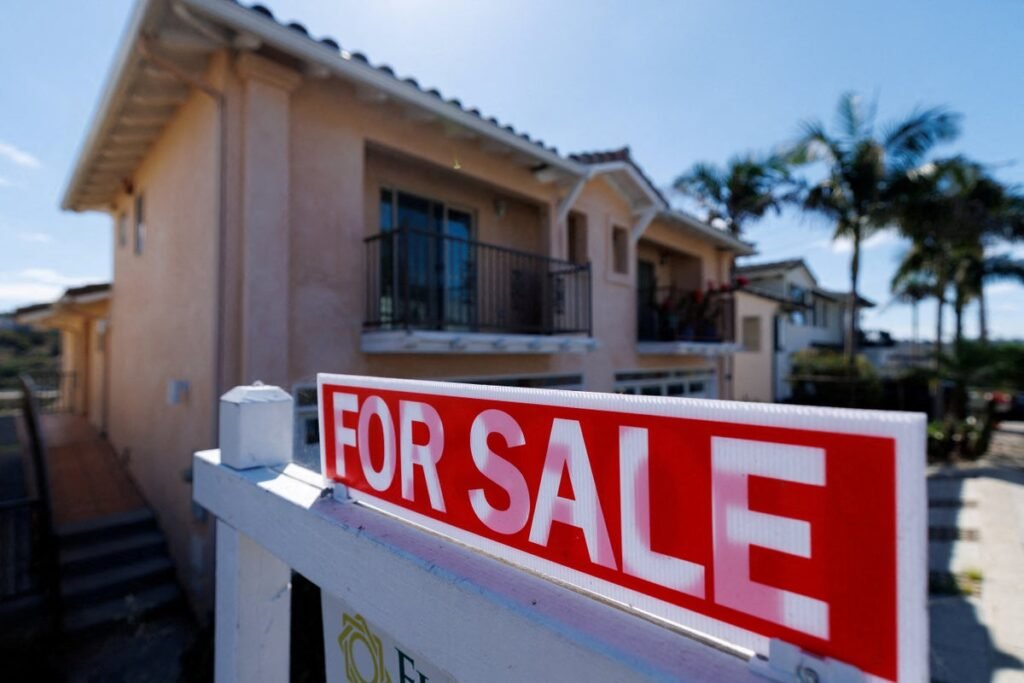
US long-term mortgage rates have climbed again this week, driven by bond market volatility and inflation worries fueled by surging oil prices amid the war with Iran.
The benchmark 30-year fixed-rate mortgage reached 6.37%, up from 6.3% last week, Freddie Mac reported.
This marks the second consecutive weekly increase, though it remains below the 6.76% recorded a year ago. Similarly, 15-year fixed-rate mortgages, popular for refinancing, edged up to 5.72% from 5.64%.
Mortgage rates are linked to Federal Reserve policy and bond market expectations for the economy and inflation.
The average 30-year home loan rate mirrors U.S. 10-year Treasury bond yields, which lenders use as a pricing guide. The 10-year Treasury yield stood at 4.37% Thursday, a rise from 3.97% in late February, prior to the war with Iran.
Rising mortgage rates mean hundreds of dollars in additional monthly costs for homebuyers, curtailing purchasing power.
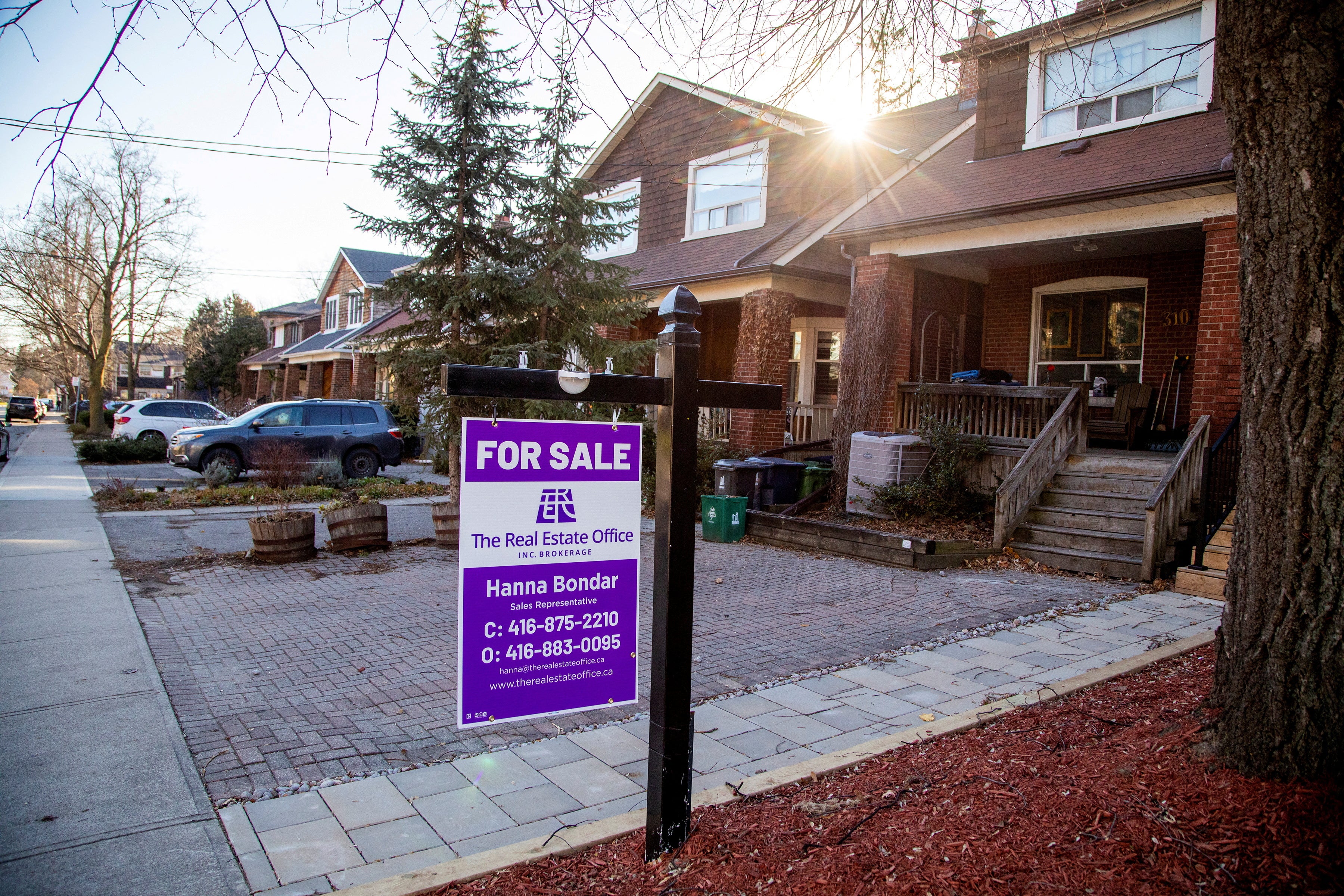
The average 30-year mortgage rate briefly dipped below 6% in late February for the first time since late 2022, a threshold not since revisited. This volatility, coupled with economic fallout from the Middle East conflict, has led to a sluggish spring homebuying season.
Lisa Sturtevant, chief economist at Bright MLS, noted, “The expectation of rates below 6% this spring has disappeared, and buyers and sellers likely will face rates in the mid-6% range into the summer.”
Despite these challenges, home shoppers undeterred by fluctuating rates may find advantages.
Realtor.com data shows homes for sale increased by 4.6% from a year earlier last month, as properties take longer to sell. This softer market has prompted many sellers to adjust expectations, with list prices falling in April for the sixth consecutive month.