
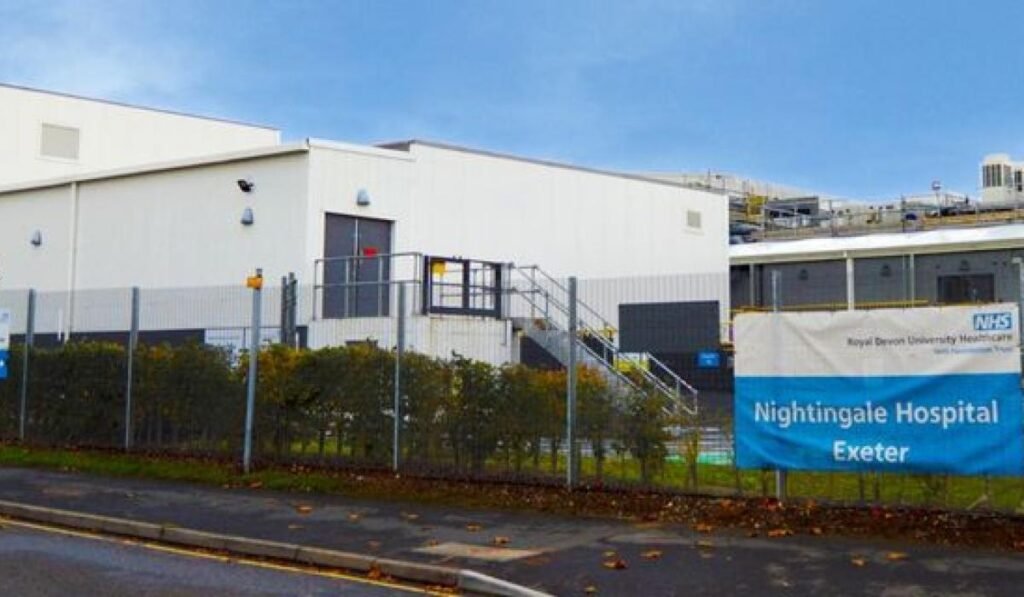
Exeter’s Nightingale Community Diagnostic Centre is set to receive three new scanners and additional clinic rooms as part of a major Government investment in NHS diagnostics.
The expansion is one of 36 new and expanded Community Diagnostic Centres (CDCs) across England, backed by £237 million of Government funding aimed at cutting waiting times and bringing tests closer to patients’ homes.
The Nightingale site will gain two new CT scanners, one with cardiac testing capabilities, a new MRI machine, and extra multi-purpose clinic rooms to support a wider range of services.
Exeter MP Steve Race welcomed the announcement, saying: “When I talk to people on the doorstep they have nothing but good feedback about our Nightingale Community Diagnostic Centre. The addition of three new scanners and more multipurpose clinic rooms will enable more patients to be seen more quickly.”
He added: “A fast diagnosis means the best chance at a full recovery for those who need further treatment, and rapid reassurance for those who are given the all clear.”
Community Diagnostic Centres are located in community settings such as high streets, shopping centres and leisure centres, with many open 12 hours a day, seven days a week, reducing the need for patients to travel to hospital.
The Government says the NHS in England carried out a record 29 million diagnostic tests in 2025, an increase of 3.5 million in the first 18 months of the current administration compared to the previous equivalent period. More than 12 million of those tests have taken place at CDCs nationwide, including at the Exeter Nightingale site.
Health and Social Care Secretary Wes Streeting said the expansion was part of a broader drive to catch illness earlier. “I was one of the lucky ones, my kidney cancer was caught early, and today I’m living cancer-free. But it shouldn’t be a question of luck.”
He added: “The NHS should fit around people’s lives, not require patients to fit their lives around the NHS. Community Diagnostic Centres mean patients can get tests, checks and scans while they’re doing their shopping on the weekend or on the way to pick up the kids from school.”
The investment forms part of the Government’s wider commitment of an extra £26 billion a year for the NHS, which it says has already contributed to waiting lists falling by more than 374,000 and an additional 5.2 million appointments in its first year in office.
ADVERTISEMENT – CONTINUE READING BELOW
ADVERTISEMENT – CONTINUE READING BELOW
ADVERTISEMENT – CONTINUE READING BELOW
ADVERTISEMENT – CONTINUE READING BELOW
ADVERTISEMENT – CONTINUE READING BELOW
ADVERTISEMENT – CONTINUE READING BELOW
ADVERTISEMENT – CONTINUE READING BELOW
ADVERTISEMENT – CONTINUE READING BELOW
ADVERTISEMENT – CONTINUE READING BELOW