
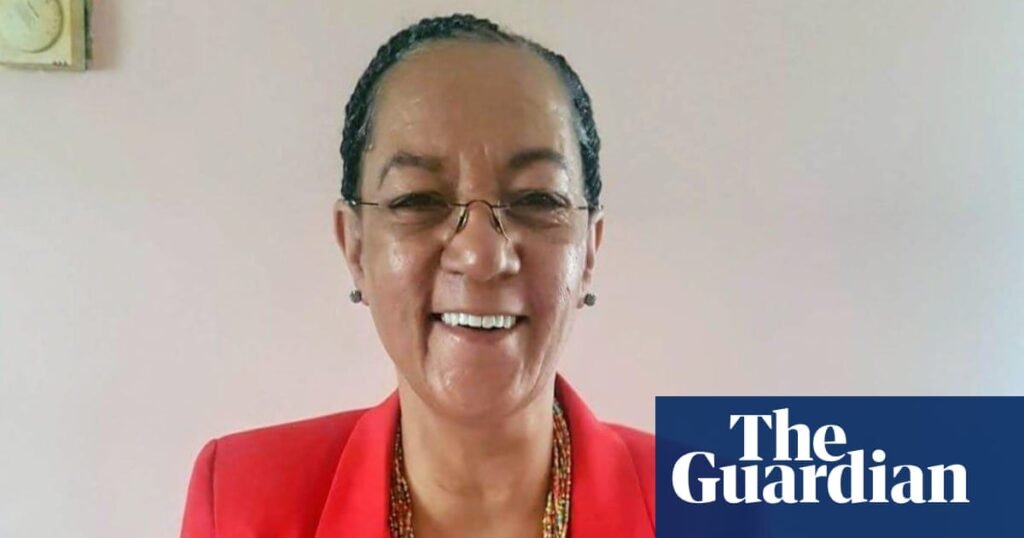
A twin sister and brother were separated from their parents in Ireland’s mother and baby home scandal – but only one of them can be compensated without being penalised.
Rosemary Adaser, 70, of Ealing, west London, was among tens of thousands of children placed in abusive institutions for being born out of marriage in Ireland.
But if Adaser accepts compensation under the Irish mother and baby institutions payment scheme, which opened in 2024, she faces losing at least £1,000 a month in housing benefit.
A legal loophole means because the compensation she is due is from a foreign government, normal “capital disregard” provisions do not apply, and any payments can be treated as cash savings for means-testing benefits and social care.
Rosemary’s brother, Anthony Adaser, still lives in Ireland, so has been compensated without facing penalties. He says the unfairness of the disparity is “galling”, robbing his sister of the “peace of mind” his settlement has given him in retirement.
On 13 March, the prime minister, Keir Starmer, said the Westminster government would introduce “Philomena’s law”, which would protect survivors from penalties.
However, with no legislative timetable and no interim protections in place, about 13,000 survivors still risk losing benefits, and campaigners say elderly people are fighting individual battles with the authorities.
Adaser said: “This is just another institutional abuse. I raised my family without any recourse to benefits. Now, when I’m unable to work, the government’s inaction is killing me off.
“Survivors are terrified to show their faces in case their benefits are cut and are dying without their due. I’m too terrified to apply for compensation, because I need housing benefit to stay independent and I’m terrified of being institutionalised again.
“With the compensation, I’d be able to make it safe for me to continue living in my home.”
The twins were born in an unmarried mother’s home in Belfast, the children of a Ghanaian doctor and an Irish hospital receptionist.
In a climate of stigma in “theocratic” 1950s Ireland, the twins were institutionalised and separated at six years old, reuniting when they were 12.
Adaser faced “relentless degradation at every level”, including abuse, neglect and forced labour in institutions in Dublin and Kilkenny.
“I thought the N-word was a pet name, until an older girl slapped me across the face and said, ‘Look up the meaning.’ This is not about me saying I had it worse – in an institution where are you are beaten up before breakfast, it doesn’t matter what the colour of your skin is. But everywhere I went I was noticed, and whereas my peers could leave institutions and blend in with Irish society, I couldn’t.”
At 16, Adaser was sent to a mother and baby home after she became pregnant and her own son was taken from her, before being reunited with her in adulthood. She escaped being sent to a Magdalene laundry after a progressive Irish couple, Bryan and Mary Rothery, took her in, “saved” her life and encouraged her to leave Ireland, where she faced a colour bar in employment and housing. She moved to London in 1976.
She said: “The 70s was a very hard time for Irish people [in the UK] but nobody believed I was Irish, so I was able to avoid all that. I immersed myself in Black politics and had a ball in 70s London.
“I will always thank the British people. They took in thousands of defeated, battered girls and allowed us to make our lives here.”
Adaser, a retired housing director, now wants to meet the prime minister.
Her lawyer, Caoilfhionn Gallagher KC, said: “As well as taking steps to pass Philomena’s law without delay, it’s imperative the government takes immediate action to direct local authorities that during this interim period benefits should not be affected. How much longer are elderly, distressed survivors expected to wait?”
The Department for Work and Pensions has said it is “carefully considering” the situation.