
-
The average 30-year fixed mortgage rate rose to 6.46% this week, its highest level in nearly seven months.
-
Rates have now increased for five consecutive weeks, reversing a brief dip below 6% earlier this year.
-
Rising inflation concerns and global economic uncertainty are pushing borrowing costs higher during the critical spring homebuying season.
After falling just below 6% earlier this year, mortgage rates are accelerating again. Rates moved higher again this week, extending a steady upward trend that is beginning to weigh on the housing market just as the spring buying season ramps up.
According to Freddie Mac, the average rate on a 30-year fixed mortgage climbed to 6.46%, up from 6.38% last week. The increase marks the fifth consecutive weekly rise and puts borrowing costs at their highest level since early September.
Freddie Mac Chief Economist Sam Khater said the uptick comes as homebuyers enter the market in greater numbers. “With spring homebuying season in full swing, aspiring buyers should remember to shop around,” he said, noting that comparing lenders can save borrowers thousands over the life of a loan.
What’s behind the move?
The rise in rates is being driven largely by broader economic forces. Mortgage rates tend to track the yield on the 10-year Treasury note, which has been influenced by inflation concerns and volatility in global energy markets. Analysts point to geopolitical tensions and rising oil prices as key factors pushing inflation expectations higher, which in turn keeps borrowing costs elevated.
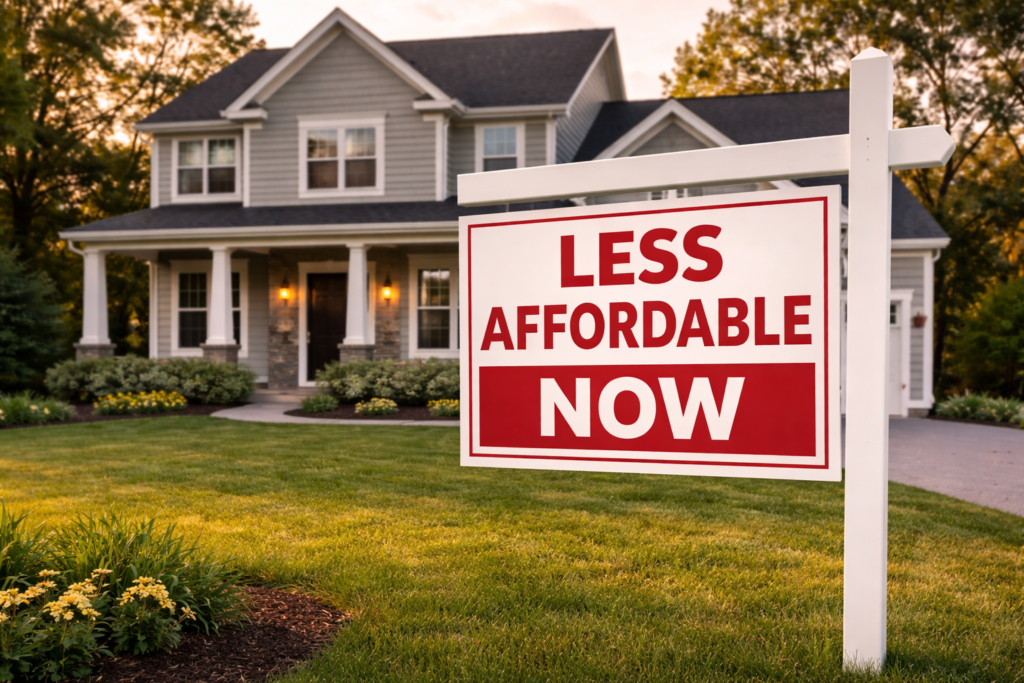
The increase is already having a tangible impact on affordability. Even small rate changes can significantly affect monthly payments, with recent estimates showing borrowers paying noticeably more than just a few weeks ago.
Housing activity is beginning to reflect that trend. Mortgage applications have declined, and early indicators such as home tours and purchase demand suggest a slower start to the spring season compared with last year.
While rates remain slightly below where they were a year ago, when the 30-year mortgage averaged around 6.64%, the recent upward trajectory poses a challenge for a housing market that has struggled with affordability and limited inventory since 2022.
Looking ahead, economists say the direction of mortgage rates will depend heavily on inflation trends and Federal Reserve policy signals. For now, however, the steady climb in rates is adding another hurdle for prospective buyers navigating an already difficult market.

Mark HuffmanReporter
Mark Huffman has been a consumer news reporter for ConsumerAffairs since 2004. He covers real estate, gas prices and the economy and has reported extensively on negative-option sales. He was previously an Associated Press reporter and editor in Washington, D.C., a correspondent for Westwood One Radio Networks and Marketwatch.