
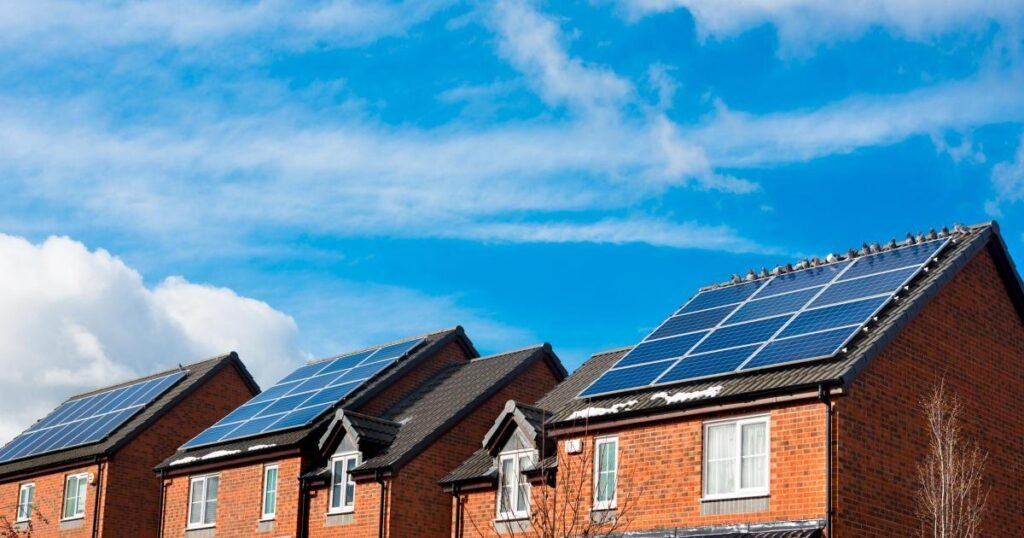
The Warm Homes Plan will deliver £15 billion of public investment, rollout upgrades to up to 5 million homes that could save them hundreds on energy bills and help to lift up to a million families out of fuel poverty by 2030. It includes measures to ensure that new homes are built cheaper to run, with solar panels as standard, with the Future Homes Standard.
The Government has already taken immediate action on the cost of living at the Budget, taking an average of £150 of costs off energy bills from April. On top of this, around six million households will receive the £150 Warm Home Discount – a total package of £300.
Upgrading homes is one of the best ways to bring down bills for good, but home insulation installations fell by more than 90% between 2010 and 2024, and millions of households have paid higher energy bills as a result.
Energy Secretary Ed Miliband says: “It is a scandal that millions of people in our country do not have the security of a home that is warm, affordable and safe.
“With this investment, we embark on a national project to turn the tide – waging war on fuel poverty and taking another step forward in tackling the affordability crisis for families throughout Britain.”
1/ NEW: Our Clean Industry Bonus has crowded in over £3bn of private investment.
Building factories, ports and domestic supply chains here in the UK, creating thousands of good jobs in our industrial heartlands.
Every £1 of public money invested has leveraged £17 from industry.
— Ed Miliband (@Ed_Miliband) January 15, 2026
The Warm Homes Plan targets help at low-income families, alongside a universal offer, to ensure that working families can feel the benefits of products that can cut their bills.
Many are keen to install clean energy products like solar panels and heat pumps, but they are still out of reach for too many – and this plan will help bring these costs down so working people can benefit.
Homeowners in older properties will be able to apply for government-backed, low and zero interest loans to install their own solar panels – unleashing a “rooftop revolution”.
We have unlocked thousands of clean energy jobs for people in Scotland.
£3bn of private investment, bringing secure, clean energy to people right across the United Kingdom.
Our Clean Industry Bonus is taking back control of our supply chain and delivering for working people. pic.twitter.com/ty6ePB0YAQ
— Keir Starmer (@Keir_Starmer) January 15, 2026
These loans will also be available for batteries and heat pumps, making it easier than ever for every home to access clean energy technologies that can lower bills.
Low-income households and those in fuel poverty could receive support that would cover the full cost of having solar panels put on their rooftop, or insulation installed, alongside new rules to ensure landlords invest in upgrades to cut bills for renters and social tenants.
Prime Minister, Keir Starmer, says: “A warm home shouldn’t be a privilege, it should be a basic guarantee for every family in Britain.
“Today’s plan marks a turning point. It will help to slash energy costs and lift up to a million people out of fuel poverty.
“This is a government bearing down on the cost-of-living crisis. By driving bills down for good and upgrading millions of homes, we’re giving people the security and the fair shot they need to get on in life.”
The news has been broadly welcomed by the End Fuel Poverty Coalition. Co-ordinator Simon Francis says: ”The Warm Homes Plan has the potential to be the spark that finally powers millions of households out of fuel poverty.
“The lifeblood of the Warm Homes Plan amounts to a rescue mission for the coldest, dampest homes in Britain – and this must be the priority. Combined with long-overdue improvements to conditions in the private rented sector, it could save lives, cut NHS costs and permanently slash energy bills for those in fuel poverty.
“Achieving this, while also inspiring a rooftop and heat pump revolution through loans and subsidies, will require a national effort. There will also need to be reforms which go beyond this Plan, such as bringing down the cost of electricity and providing financial support with energy costs while households wait for improvements to be installed.
“Above all, any use of public funds must come with a Warm Homes Guarantee, built around quality advice on the right installations to deliver, enhanced consumer protections and a promise that every upgraded home will see bills come down.
”If delivery matches ambition then this could be the biggest breakthrough in tackling fuel poverty in a generation, but now the hard work begins.”
Tessa Khan, executive director of renewable energy campaign group Uplift, adds: “A Warm Homes Plan is desperately needed, with world events once again highlighting the UK’s vulnerability from our over-reliance on gas for heating.
“Ending this dependency, by ensuring our homes are more energy efficient – particularly for those on lowest incomes – and powered by renewable energy, is both pragmatic and the right thing to do for ensuring we have affordable energy.
“We can no longer bank on the North Sea because, after 50 years of drilling, the UK has now burned most of its gas. Regardless of any new drilling, the UK will be dependent on gas imports for nearly two thirds of its gas in just five years time and almost 100% by 2050, unless we shift away from gas.
“An ambitious warm homes plan, properly implemented, will reduce our exposure to price shocks and mean we are not at the mercy of bad actors like Putin or the whims of Trump.”

Recommended reading:
The three pillars of the programme are:
- Low-income households will receive free of charge packages of upgrades, depending on what technologies are most suitable for their homes – backed by £5 billion of public investment. For example, families could receive fully funded installations of solar panels and a battery, to the full average cost (currently £9,000-£12,000). For social housing residents, this could mean upgrades to entire streets at the same time, lowering bills and improving warmth and comfort for whole neighbourhoods.
- The government-backed, zero and low interest loans programme to get solar panels onto the nation’s rooftops and new rules that mean every new home will come with solar panels by default. This plan will triple the number of homes with solar panels on their rooftops by 2030. Making it easier for anyone who wants to get a heat pump, with a £7,500 universal grant for heat pumps, and the first ever offer for “air-to-air heat pumps” that can also cool homes in the summer.
- Today, 1.6 million children live in private accommodation suffering from cold, damp, or mould. The government believes in a simple principle that if you rent a home, private or social, a landlord has a responsibility to ensure that it is safe, warm, and affordable. By updating protections for renters, and supporting landlords to make these upgrades in a fair way over several years, an estimated half a million families will be lifted out of fuel poverty by the end of the decade.
The plan is backed by £15 billion government investment, including allocations for devolved governments in Scotland, Wales and Northern Ireland to ensure homes right across the country can benefit.