
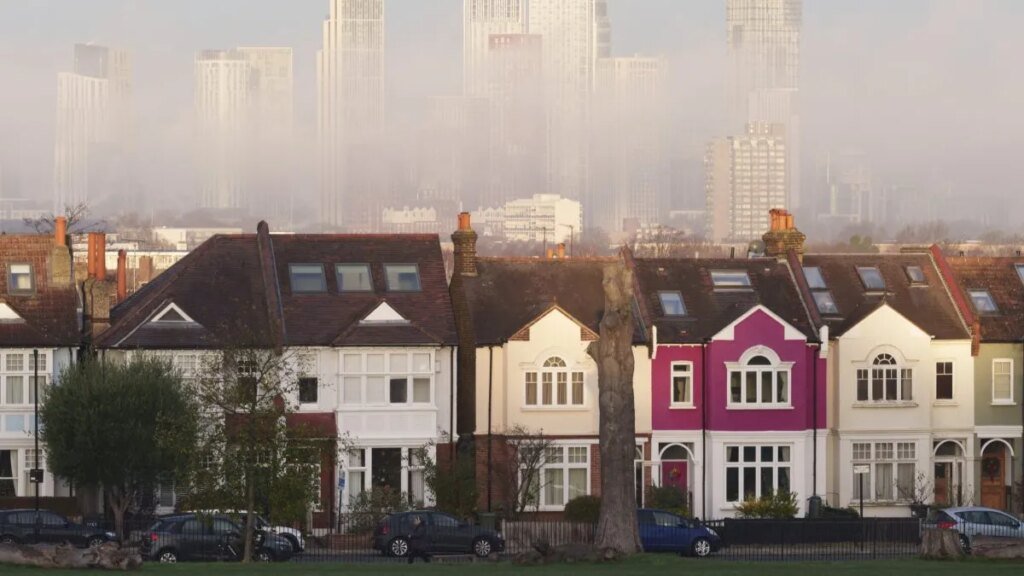
Some experts predict that we could see rates of closer to 3 per cent by the end of the year
Around 1.8m fixed-rate mortgage deals are due to end in 2026, with many facing an anxious period as they wait to see how much their monthly repayments will be.
Hundreds of thousands of households on deals signed in 2021 will almost certainly face higher costs, but some who got fixes more recently could actually see their bills drop.
If you have a mortgage ending in 2026, here’s how much more or less you could end up paying, and the action you should be taking now to make sure your new rate is as low as it can be.
What rates are now – and where they could go
The mortgage rates on the market now vary depending on the size of your deposit or equity in your home, but the cheapest deals are well below 4 per cent.
For those with 40 per cent equity in their home or a deposit of this proportion – known as having 60 per cent loan-to-value (LTV) – deals below 3.7 per cent are available.
For those moving home, even cheaper deals of below 3.6 per cent are possible.
The rates are a little higher if you have a smaller amount of equity.
Mortgage rates are expected to fall a little across the course of the year, with some experts predicting we could see rates of closer to 3 per cent by the end of 2026.
Exactly how much rates will fall by depends on inflation and how far the Bank of England base rate drops.
Coming off a five-year fix? Costs will almost certainly rise
Figures from UK Finance suggest that 546,800 households signed on to five-year fix rates in 2021, but the actual number will be higher as this covers only new lending. Those who transferred products with their existing lender won’t be included.
The average rate that these borrowers went on to was 2 per cent, meaning almost all customers will see a large rise in their costs.
In fact, figures from mortgage platform Acre – which connects brokers with lenders – suggest that 89 per cent of borrowers coming off five-year deals in the past month have seen their bills increase.
With a £200,000 mortgage on a 25-year term, borrowers on 2 per cent rates would be paying £848 per month, but even if they were to be offered a rate of 3.7 per cent – a relatively good price in today’s market – they would still pay £1,022 per month.
This equates to an increase of £174 per month or £2,088 per year.
Some borrowers, however, have taken action to try and reduce their mortgage bills, for example, by overpaying their mortgage, to reduce the size of their loan.
These customers may end up facing lower bills when they come to remortgage, because they owe less.
Nicholas Mendes, head of marketing at John Charcol brokers, said: “It isn’t quite the case that absolutely everyone coming off a five-year fix is seeing a dramatic jump in their monthly payments, but for many it will still feel like a significant reset.
“A large proportion of five-year deals maturing this year were taken out when rates were close to historic lows, so even after recent easing, refinancing is likely to mean higher repayments.
“Some have benefited from rising incomes, built up equity through house price growth or regular repayments, or reduced their loan balance through overpayments. We’re also seeing a cohort who have deliberately overpaid over recent years to improve their loan-to-value, giving them access to lower pricing.”
Reuben Thompson, vice president at Acre, said the company’s data suggested that, although most mortgage customers tend to go with the same term length every time, some five-year customers are opting to go for two-year deals.
The two lengths are generally similar prices in today’s market, but some two-year deals are slightly cheaper.
“Acre is seeing a lot more switching from five years to two than vice versa – implying brokers and clients believe rates will come down further,” Thompson said.
Coming off a two-year fix? Your costs could drop
The UK Finance figures suggest 392,700 households signed two-year fixes in 2024 at an average rate of 4.75 per cent, although the actual figures will be higher, for the same reasons as above.
With a £200,000 mortgage on a 25-year term, these borrowers would be paying £1,140 per month, so if they got a similar rate of 3.7 per cent this year, their costs would actually drop.
They could see a drop of £118 per month or £1,416 per year in this situation.
Acre figures suggest only 21 per cent of customers coming off two-year fixes now are paying more than they were doing before.
Elliott Culley, director of Switch Mortgage Finance, said: “Those who fixed in 2024, when rates were already elevated, may find their new deal comes in cheaper than the one they’re leaving.
“In those cases, monthly payments can fall, or at least stabilise, which is a very different experience to someone rolling off a longer-term fix agreed before rates rose.”
How to ensure you get the lowest priced deal possible
To get the cheapest mortgage rate, compare a wide range of lenders and banks – don’t settle for the one you’re currently with. Consider speaking to a broker to help you as these are professionals who often have access to deals you can’t find online directly.
You can also access cheaper rates if you have a lower LTV mortgage. This means you have equity in a bigger portion of your property or a larger deposit.
If you are coming off a deal in 2026, make sure you start looking for a deal months beforehand.
Most lenders will let you lock in a rate several months before yours ends. That way, if rates rise in the meantime, you have the lower rate secured, and if they go down, you can generally switch to the cheaper deal.
The most important thing is to avoid letting your mortgage expire, as if you do this, you will end up going on to a standard variable rate.
These can be several percentage points higher than fixed deals, so you end up paying hundreds more per month.
Jamie Lennox, managing director of Dimora Mortgages, said: “We regularly speak to clients who assume deals will be cheaper by the time their mortgage ends, but by not taking early action it can reduce choice, expose them to lender re-pricing, or leave them vulnerable to moving onto a higher standard variable rate with a lack of time for a remortgage to complete.
“The clients who are best prepared are the ones acting early. Securing a rate in advance provides protection if rates rise, while still allowing flexibility to switch if rates improve.”