
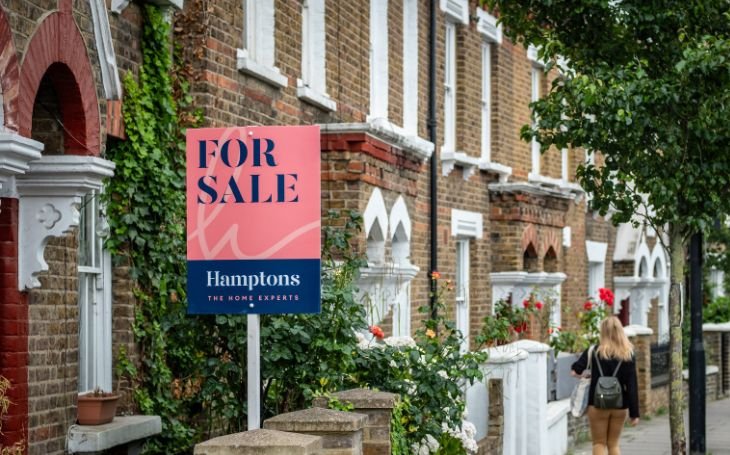
 Wealth and asset management group, Rathbones, has raised concerns for those who have invested in London property as new data shows how the city’s market has ground to a halt.
New analysis by Hamptons has detailed the regions in which most homeowners sell property for less than they paid and found London leading the way. Simon Bashorun, Head of Advice in Rathbone’s Private Office, says this should ring alarm bells for those who rely on property for income or future planning.

“London property is no longer the low‑risk cornerstone of wealth planning that many high‑net‑worth families assume it to be and those with property as part of their portfolio need to give its future consideration,” he said.
“The market’s slowdown exposes three vulnerabilities for those leaning too heavily on real estate: concentration risk, illiquidity, and a rising policy and tax burden.”
Property is precarious
Simon added: “While property can still play a role, using prime London homes or buy‑to‑lets as the backbone of retirement or estate plans is increasingly precarious. The tax environment has shifted materially: higher stamp duty surcharges, the new Mansion Tax, and growing talk of high‑value council tax supplements all erode returns.
“And unlike diversified investment portfolios, residential property typically lacks tax‑efficient reliefs, most notably Business Relief, which means property flows straight into the inheritance‑tax calculation.”
He also highlights that with frozen Inheritance Tax thresholds pulling more estates into the net, families relying on property risk being forced into distressed sales at death simply to meet liabilities.
“Add to this the practical constraints – slow sales processes, volatile valuations, and diminishing rental viability – and the risks compound,” concluded Simon. “For HNWIs, the smarter approach is to ensure property is just one part of a balanced plan.”